Concrete Sealing After Pressure Washing, Is It Worth It?
October 29, 2026
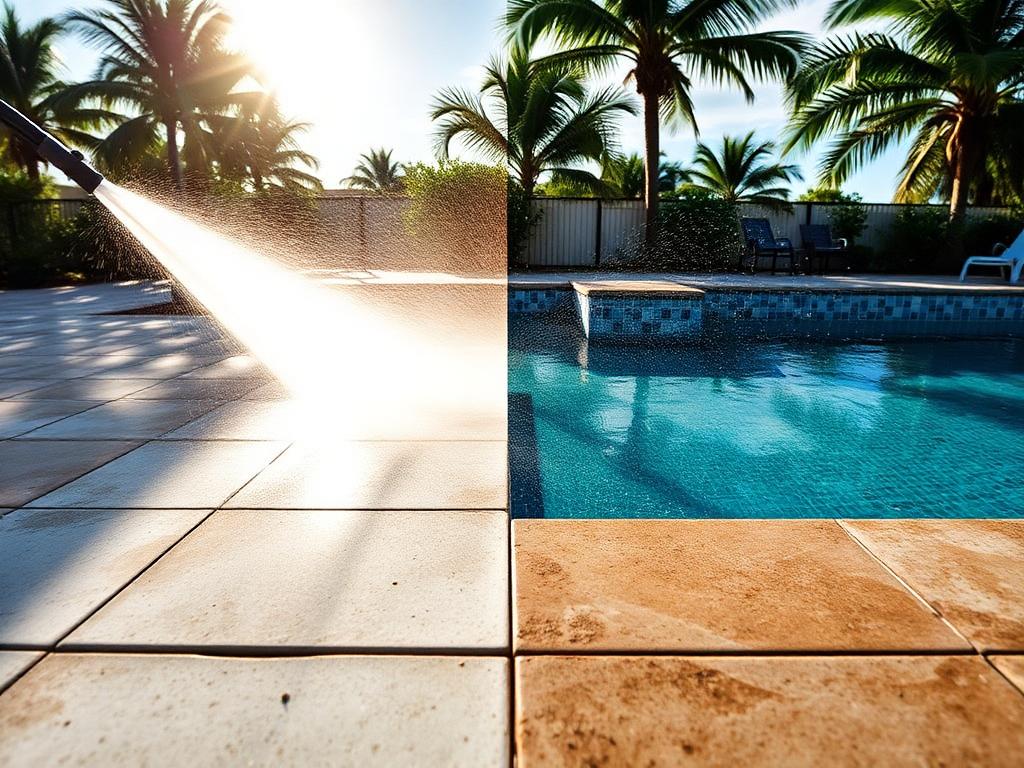
Yes, concrete sealing after pressure washing is worth every penny in South Florida. Pressure washing strips away dirt and opens concrete pores, leaving raw surface paste vulnerable to salt air, motor oil, and aggressive black algae. Applying a quality penetrating or topical sealer right after a deep clean locks out moisture and doubles the lifespan of your clean surface.
What Happens to Bare Concrete After Pressure Washing
When you fire up a commercial surface cleaner to scour your driveway, you do a lot more than blast away tire marks. High-pressure water cleans deep, but it also strips off oxidized top layers and opens microscopic pores in the concrete slab. Freshly cleaned concrete looks bright and uniform, yet it behaves like a giant, dense sponge sitting under the intense Florida sun.
Concrete contains microscopic capillaries created as water evaporated during the original pour. Once heavy grime lifts out, those pores sit wide open. Airborne spores, rainwater, car fluids, and salty coastal moisture immediately start sinking into the slab. Without a barrier, your freshly scrubbed driveway begins absorbing contaminants on day one. Dirt bonds much deeper into unsealed pores than it did before the wash, which makes future cleaning sessions harder on the aggregate.
Why South Florida Weather Destroys Unsealed Concrete Faster
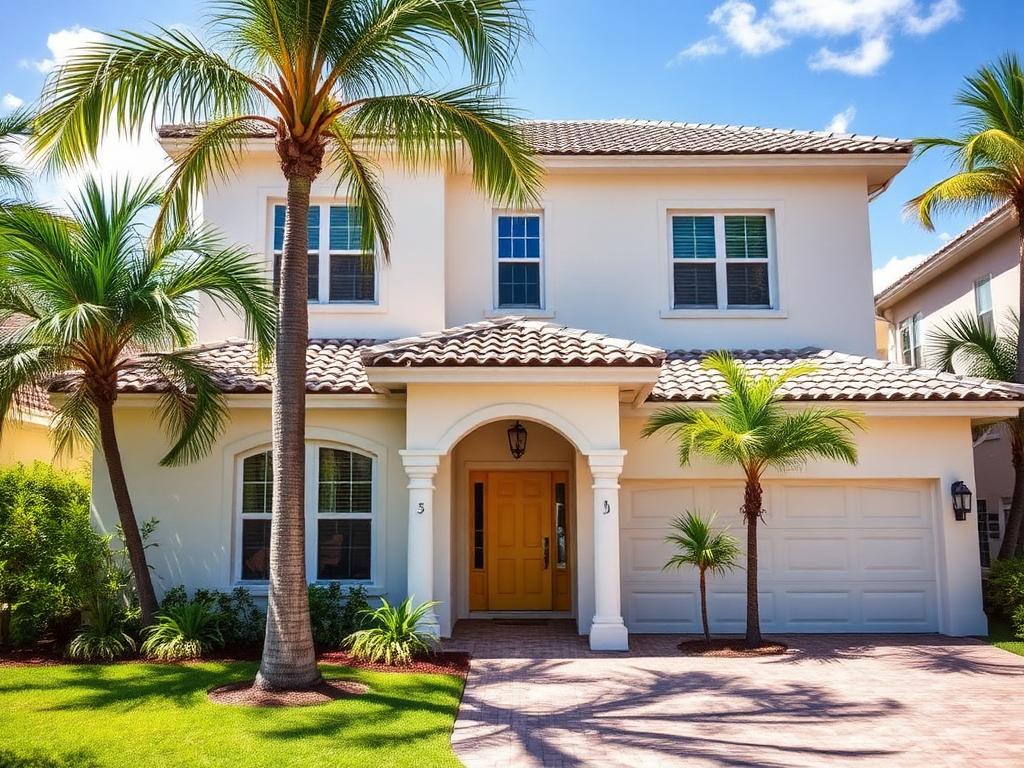
In Broward County, concrete deals with conditions that northern slabs never face. We don't worry about freeze-thaw cycles, but our subtropical climate brings high humidity, daily summer downpours, relentless UV exposure, and coastal salt air blowing in from Pompano Beach and Fort Lauderdale.
Rainwater soaks into unsealed concrete, carrying dissolved minerals and organic matter. When the midday sun bakes the slab at 130 degrees, moisture evaporates and leaves behind mineral salts and mold spores. Gloeocapsa magma and black algae feast on limestone aggregate trapped inside damp concrete pores. Within four to six months, black streaks reappear. Homeowners often ask how long pressure washing lasts in Fort Lauderdale, and the answer depends heavily on whether you seal the surface.
Sprinkler overspray poses another local headache. Broward irrigation systems tap into shallow well water or municipal lines rich in iron and sulfur. Unsealed slabs soak up this hard water, leading to rust stains that no ordinary garden hose can budge. A protective sealant keeps water pooling on top instead of leaching deep into the stone.
Key Signs Your Driveway and Patio Need a Quality Sealant
You don't need a professional moisture meter to find out if your concrete needs help. You can perform a simple splash test yourself. Pour a cup of water onto your dry driveway or walkway. If the water beads up into droplets, you still have active sealer on the slab. If the water darkens the concrete instantly and disappears into the surface, your slab is completely bare and absorbing moisture.
Other clear warning signs include rapid algae regrowth, flaking surface paste, and stubborn oil patches that refuse to lift. If you just received an HOA violation letter for dark pavement discoloration in your neighborhood, sealing is your best defense against repeat notices. You can read our guide on HOA pressure washing requirements in Pompano Beach to see what neighborhood associations inspect most often. If you'd rather skip the hassle and guesswork, book a free quote and we'll handle the entire wash and seal process for you.
DIY Sealing Versus Hiring a Local Professional
Big-box home improvement stores sell plenty of 5-gallon buckets labeled as concrete sealer, but applying them in South Florida requires precise timing and chemistry. DIY homeowners often run into major trouble with moisture. If you roll hardware-store acrylic over a slab that hasn't dried completely down in the pores, trapped humidity turns the sealer milky white within forty-eight hours. Stripping off failed acrylic sealer costs triple what a standard wash costs.
Professional crews use industrial penetrating silane-siloxane sealers or high-solid two-part urethanes designed specifically for coastal humidity. Pros also bring commercial surface cleaners that clean without leaving zebra stripes, followed by commercial moisture meters to verify dry conditions before spraying. We match the right chemical formula to your specific slab, whether you want an invisible matte finish that stops water absorption or a wet-look gloss that makes decorative pavers pop. If you want guaranteed results without ruining your weekend, call us at +1 754-253-5827 for a fast estimate on your driveway or patio.
Common Mistakes Homeowners Make When Sealing Concrete
The single biggest mistake we see across Hollywood and Coral Springs is sealing dirty concrete. Pressure washing with water alone leaves behind micro-algae spores. If you roll sealer over invisible organic spores, you trap living mold under an airtight shell. Within weeks, dark green patches spread beneath the coating where no surface spray can reach them.
Another frequent mistake involves applying too much product in one pass. Thick coats pool in low spots, bubble under the baking sun, and turn slippery when wet. Slippery decks create serious fall hazards around swimming pools. We always recommend reading our pool deck cleaning tips to stop algae and slip falls before adding slick finishes around water features. Lastly, people often forget to factor in Florida rain patterns. Applying sealer when afternoon thunderstorms are building guarantees ruined adhesion.
How Coastal Surface Experts Protects Concrete Differently
At Coastal Surface Experts, we don't treat sealing as an afterthought. We treat it as a multi-step surface restoration system. First, we perform thorough driveway cleaning using balanced water volume and commercial rotary surface cleaners that clean every inch evenly without etching the cream coat.
Next, we treat the damp surface with an algaecide pre-treatment and post-treatment. This neutralizes organic growth at the root level inside the pores so nothing lives under the sealer. We test the moisture levels across the slab, check the radar, and apply commercial-grade breathable penetrating sealers. Breathable sealers let vapor escape outward while blocking liquid water, motor fluids, and salt from soaking downward. Our process keeps your concrete cleaner up to three times longer than bare washing alone.
Realistic Costs and How Often to Reapply in Broward County
Homeowners want straight numbers when budgeting home maintenance projects. Professional wash and seal projects in Broward County generally run based on square footage, concrete condition, and the type of sealer you choose. Basic wash and penetrating seal packages start at $0.75 to $1.50 per square foot, while decorative wet-look sealers or multi-coat commercial urethanes start at $1.75 to $2.50 per square foot for standard residential driveways.
How often do you need to redo it? Penetrating sealers that sink into the pores last anywhere from three to five years under typical residential vehicle traffic. Topical wet-look sealers exposed to full South Florida sun generally need a maintenance wash and fresh topcoat every two to three years. Investing in sealing saves you hundreds of dollars over time because you cut your required concrete cleaning frequency in half.
Wrapping up
Concrete sealing after pressure washing isn't just an aesthetic upgrade. It's smart, proactive insurance against South Florida's harsh salt air, torrential rain, and relentless black algae. Protect your driveway, pool deck, and walkways before small surface stains turn into permanent slab damage. Reach out to Coastal Surface Experts today through our contact form or give us a call to claim your free, no-obligation estimate.