
After Storm Cleanup and When to Call a Pressure Washer
October 27, 2026

Severe weather in South Florida leaves behind far more than fallen branches and wet leaves. Salt residue, embedded mud, and sudden algae blooms can ruin exterior surfaces fast. Here is how to evaluate property damage, handle basic clearing, and know when you need professional washing.
The Hidden Exterior Damage Tropical Storms Leave Behind
Tropical systems and intense summer squalls do a number on Broward County properties. Once the high winds die down and the standing water recedes, most homeowners step outside and look for obvious structural damage. You look for torn shingles, fallen palm fronds, or cracked fence panels. But the most widespread problem usually hides in plain sight.
Storm winds pull salt spray miles inland from the Atlantic, coating walls, windows, and decks in corrosive minerals. Driving rain forces dirt, tannins from tree leaves, and microscopic organic spores deep into porous concrete, brick pavers, and stucco. If you let that layer sit under our blazing Florida sun, heat and humidity bake it into the finish. Within forty-eight hours, mold and Gloeocapsa magma algae feed on the moisture and grime, turning clean driveways black and light stucco green. Effective after storm cleanup requires more than just raking your lawn; it demands a thorough washdown before organic staining sets in permanently.
Why Broward County Homes Face Unique Post Storm Hazards
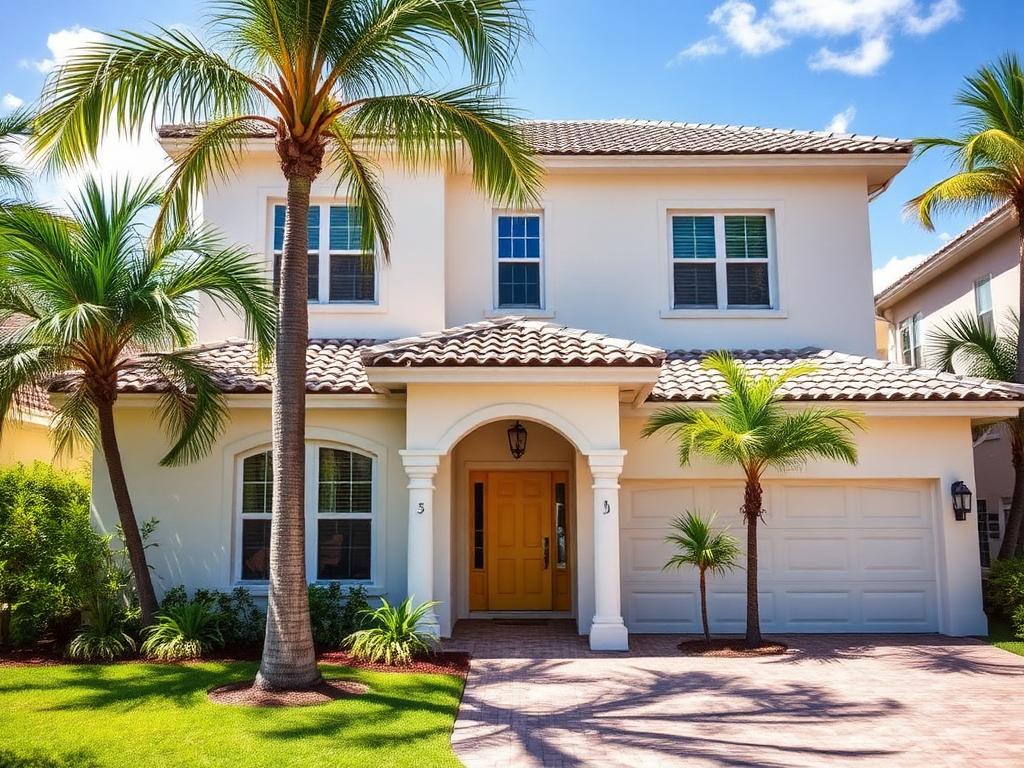
Living in coastal communities like Pompano Beach, Fort Lauderdale, and Hollywood brings unique challenges during hurricane season. The combination of coastal salt air and tropical humidity acts like an incubator for organic growth. When a storm blows through, it strips natural wax and dust from vegetation, creating a sticky slurry that coats your exterior surfaces.
Local homeowners associations across Broward County also maintain strict cleanliness standards. An HOA will not care that a tropical depression passed through last Tuesday when they send out violation notices for stained driveways or dirty roofs the following week. On top of community rules, prolonged exposure to storm grime can degrade delicate exterior coatings. Salt accelerates paint chalking, while mold roots into stucco pores and loosens painted finishes. Taking care of exterior surfaces right away protects both your property value and your curb appeal. You can also review our hurricane prep exterior checklist for Lauderdale-by-the-Sea to see how early exterior care reduces post-storm cleanup headaches.
Clear Signs You Need Professional Washing Instead of a Garden Hose
Some after storm cleanup tasks are easy weekend jobs. You can sweep up twigs, bag damp leaves, and rinse off patio furniture with a standard hose nozzle. However, standard garden hose pressure tops out around 40 to 60 PSI, which is nowhere near enough to dislodge embedded grit or kill spores living inside porous stone.
You should reach out for expert help when you spot black streaks running down roof tiles, slippery films coating walkways, or ground-in mud across textured stucco. High wind pushes dirt into window tracks, pool enclosures, and textured walls where manual brushing cannot reach. Slick surfaces around your pool present an immediate safety hazard for family and guests. Following proven pool deck cleaning tips to stop algae and slip falls will keep your family safe, but heavy storm residue often requires dedicated equipment.
If you notice thick mud caked along your foundation or yellow sulfur stains from ponding rainwater, normal rinsing will not cut it. If you'd rather skip hauling heavy gear through the yard, book a free quote and we'll take care of it without risking surface damage.
The Risks of DIY Pressure Washing After Severe Weather
Many homeowners buy an electric or gas pressure washer from the local home improvement store thinking they can blast away storm muck in an afternoon. Unfortunately, DIY pressure washing after storms often leads to costly repairs. Storm-weakened surfaces require a gentle touch, not aggressive blasting.
Blasting water at 3,500 PSI against stucco tears off exterior paint, cuts into expansion joints, and forces moisture behind siding where toxic black mold can take root inside wall cavities. On tile or shingle roofs, high pressure breaks fragile tiles, strips protective granules, and completely voids manufacturer warranties. Furthermore, pressure washers do not kill algae spores by themselves. Without targeted cleaning solutions, high pressure merely shears the heads off the algae colonies, leaving the roots behind to grow back thicker within two weeks.
Handling heavy power equipment around damp yards, wet ladders, and downed power lines also creates serious safety concerns. Slipping on a wet roof or an algae-slicked driveway can result in severe injuries that dwarf the cost of hiring a trained contractor.
How Professional Exterior Restoration Works
Professional contractors take a completely different approach to storm recovery than an inexperienced operator with a wand. We evaluate each surface to determine whether it needs high-flow pressure cleaning or dedicated soft washing.
For vertical siding, roofs, and delicate screen enclosures, we rely on soft washing. This method utilizes high-volume, low-pressure pumps paired with specialized, biodegradable cleaning agents. The solution neutralizes mold spores, lifts salt deposits, and dissolves leaf tannins instantly, allowing our technicians to wash everything away at garden-hose pressure without damaging the substrate. We protect your surrounding landscape by soaking plants with fresh water before and after application.
For horizontal surfaces like paver walkways, patios, and garage aprons, technicians run industrial surface cleaners. These dual-nozzle rotating decks distribute water evenly across concrete, eliminating the unsightly tiger stripes left behind by standard handheld wands. Complete driveway cleaning strips out ground-in mud and salt crust, restoring the bright curb appeal your home had before the storm rolled through. Give our crew a call at +1 754-253-5827 for a fast estimate before mold takes root.
Common Post Storm Cleaning Mistakes Homeowners Make
Homeowners frequently make preventable mistakes when trying to clean up after tropical weather. The most frequent mistake is waiting too long. Leaving piles of wet debris on paver patios or wooden decks traps moisture, which stains the stone with deep brown tannins that require harsh chemical restorers to lift later on.
Another major error involves spraying straight bleach on outdoor surfaces without proper dilution or neutralizing agents. Undiluted bleach runs directly into storm drains, burns sensitive tropical landscaping, corrodes aluminum window frames, and degrades vinyl pool screens. Homeowners also tend to blast debris toward the house instead of away from it, pushing dirty storm runoff right beneath entry doors, garage seals, and weep screeds.
Lastly, many people skip washing their exterior walls because they assume rain washed them clean. Rainwater during storms contains airborne contaminants, dirt, and salt spray. You need dedicated professional house washing to lift that grime completely and restore your home's exterior envelope.
Cost Expectations for Post Storm Pressure Washing
Storm cleanup costs depend on your home size, the total square footage of hard surfaces, and the severity of organic buildup. Because every storm impacts properties differently, professional cleaning services provide upfront estimates based on exact surface conditions.
For standard single-family properties in Broward County, specialized driveway washing services usually come with pricing starting at $150 to $250, depending on paver layout and square footage. A complete soft wash house wash generally has pricing starting at $250 to $450 for typical one- or two-story floor plans. Comprehensive property packages, which cover driveways, sidewalks, pool enclosures, and full expert roof cleaning, reflect the larger scope and require dedicated crew time.
Investing in professional restoration right after severe weather saves money in the long run. It prevents premature paint repainting, stops paver degradation, avoids expensive HOA fines, and keeps your property looking its absolute best throughout storm season.
Wrapping up
Storms are a regular part of life in Broward County, but messy exterior damage does not have to be permanent. Getting rid of salt deposits, embedded mud, and sudden algae blooms right away protects your home value and keeps your property looking fresh. If you want fast, reliable storm cleanup without the hassle or risk of ladders and pressure equipment, reach out to Coastal Surface Experts today. Fill out our simple form to request your free quote and let our local crew restore your home.