How Long Does Pressure Washing Last in Fort Lauderdale
October 28, 2026
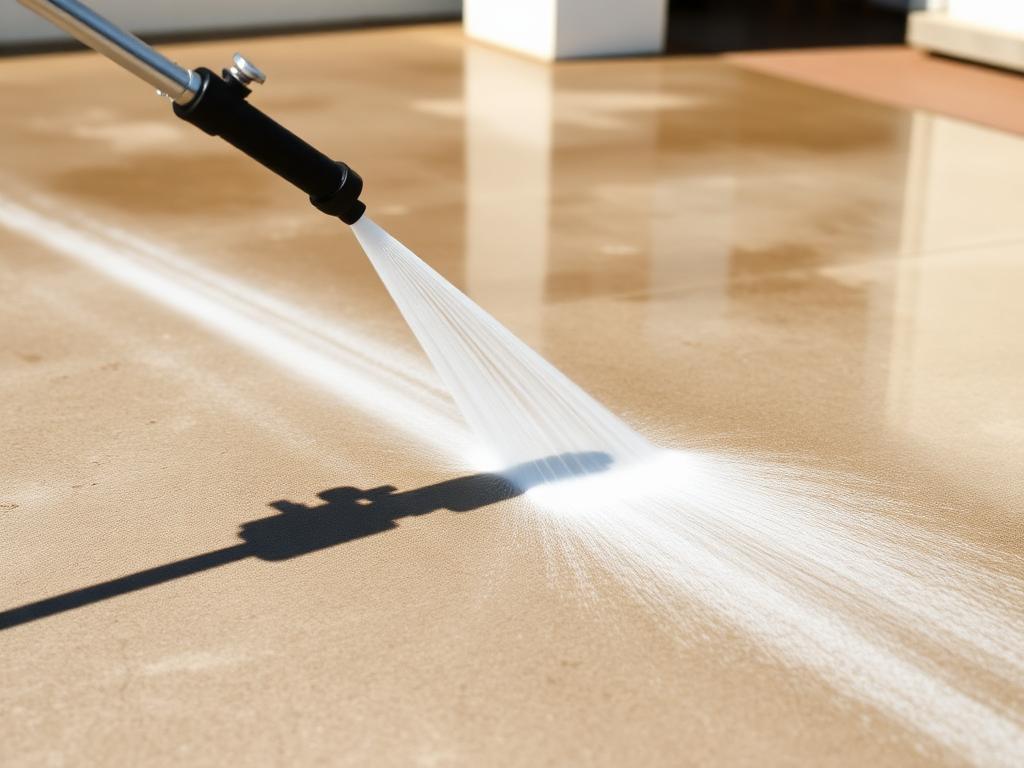
In South Florida, high-grade pressure and soft washing typically last anywhere from six months to two years depending on the surface. Driveways and pool decks face daily foot traffic and dampness, while treated roofs stay clean the longest. Fort Lauderdale humidity, salt spray, and summer downpours accelerate organic growth, making regular maintenance essential for preserving your curb appeal.
The Real Lifespan of an Exterior Wash in South Florida
Homeowners constantly ask us a simple question: how long does pressure washing last when you live in a coastal swamp climate? If you just moved to South Florida, the speed at which clean surfaces turn black or green can shock you. Under ideal conditions up north, an exterior wash might hold up for three or four years. In Broward County, however, the combination of intense heat, high humidity, and afternoon cloudbursts creates an incubator for biological growth.
On average, standard concrete surfaces like driveways and walkways stay spotless for six to nine months. Vertical walls, stucco siding, and fences usually look fresh for twelve to eighteen months. Tile and metal roofs that receive professional soft washing treatments can stay clean for eighteen to twenty-four months, sometimes even longer if you don't have heavy tree shade hanging over the roofline.
These timelines aren't set in stone. If your home sits right off the water in Victoria Park or along the canals in Las Olas Isles, airborne moisture and canal humidity will feed mold spores faster than in drier, inland developments. Knowing what to expect lets you build a maintenance schedule that stops permanent staining before it ruins your building materials.
Why Fort Lauderdale Humidity Cuts Washing Results Short
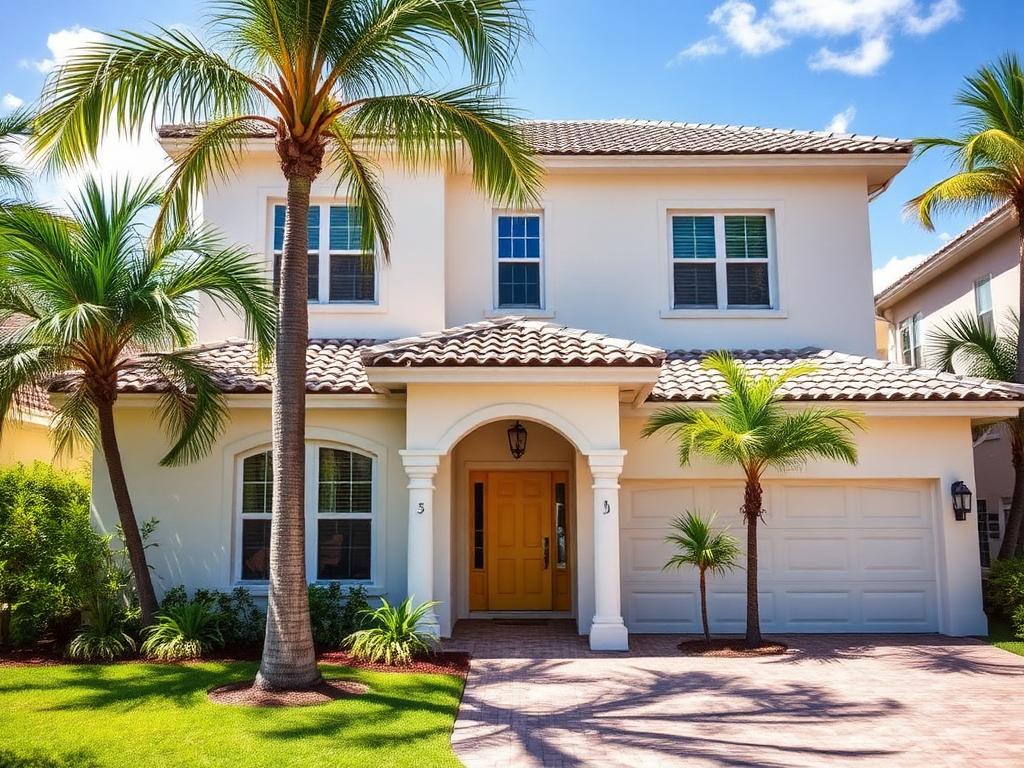
Fort Lauderdale averages relative humidity levels above 70 percent throughout most of the year. When you pair that continuous moisture with roughly 240 days of strong sunshine, you get the exact environment that algae, mold, mildew, and lichen crave. Microorganisms don't just land on your home, they feed on it.
Porous surfaces like Florida Keystone, unsealed concrete, and textured stucco act like dense sponges. They trap moisture after our daily 3 p.m. summer rains. Mold spores drift on coastal breezes, settle into the microscopic cavities of the concrete, and reproduce rapidly. Within a few months of a basic water rinse, green streaks and black spots reappear because the root structures of the algae remain alive beneath the surface.
Salt air blowing in from the Atlantic Ocean makes the problem worse. Salt crystals pull moisture directly from the air, keeping exterior surfaces damp even during dry spells in January or February. That perpetual dampness fuels continuous bacterial and fungal growth, causing surfaces to turn dark long before homeowners expect them to.
Longevity by Surface Type, From Pavers to Roof Tiles
Different materials hold up differently under South Florida conditions. Knowing the breakdown helps you prioritize your property maintenance:
* Driveways and Sidewalks: Six to nine months. Flat concrete takes direct sunlight, absorbs motor oil and tire tannins, and catches standing water. You can explore our dedicated driveway cleaning services to keep high-traffic flatwork bright and slip-resistant. * Pool Decks and Patios: Six to twelve months. Chlorine, foot traffic, sunscreen residue, and trapped pool water under lanai screens speed up discoloration. Check out our pool deck cleaning tips to stop algae and slip falls to see why keeping these areas clean prevents dangerous accidents. * Stucco and Vinyl Siding: Twelve to eighteen months. Vertical surfaces shed rain faster than flat ground, so algae takes longer to establish a foothold on exterior walls. * Tile and Metal Roofs: Eighteen to thirty months. Because pros treat roofs with specialized biocide blends rather than simple water pressure, the chemical eradication keeps Gloeocapsa magma (black roof algae) from returning for up to two full years.
If you'd rather spend your weekend on Las Olas instead of wrestling a rented machine, book a free quote and we'll take care of it.
Why Pressure Washing Fails Faster Than Soft Washing
Many property owners assume that higher water pressure keeps surfaces clean longer. In reality, the exact opposite is true. Blasting a surface with high water pressure cuts the tops off mold and algae colonies, but it leaves the living roots embedded deep inside the pores of the stucco or concrete. It acts just like mowing a lawn; the weeds look gone for a week, but they grow back thicker and faster.
High pressure also damages delicate building materials. It can pit decorative concrete, blow out window seals, strip paint off stucco, and dislodge the protective granules on roofing. Once a surface becomes rough and pitted from pressure damage, it creates even more microscopic pockets for moisture and dirt to gather, cutting down the lifespan of your clean surface.
That's why professional exterior specialists lean on chemical eradication. Using dedicated low-pressure delivery systems, we apply specialized, biodegradable solutions that neutralize spores at the cellular level. If you want to understand how this protects your roof membrane, check out our guide on what is soft washing and why it works better for roofs. When you kill the organism completely, your surfaces stay clean two to three times longer than they do after high-pressure blasting.
Local Factors That Accelerate Growth Across Broward County
Not every home in Fort Lauderdale experiences the same rate of algae growth. Microclimates across our city dictate how often you'll need service. Homes tucked under the dense mature oaks in Rio Vista or Sailboat Bend deal with constant shade and organic debris. Tree canopies block sunlight from drying out roof valleys and walkways, cutting the lifespan of a clean surface in half.
Properties near saltwater canals or the Intracoastal Waterway deal with higher ambient humidity and daily tidal mist. Meanwhile, properties facing strict oversight from neighborhood homeowner associations must adhere to tight aesthetic guidelines. An HOA in Coral Ridge won't wait for your driveway to turn completely black; they'll send a warning letter the moment faint gray shadows appear along your expansion joints.
Sprinkler overspray is another silent culprit. If your irrigation system pulls hard water from a shallow well or canal, it deposits heavy iron and sulfur minerals on your walkways and exterior walls. That rust-colored staining bonds chemically to the paint and stone, requiring specialized detergents rather than standard water washing.
DIY Washing Versus Professional Chemical Treatment
Homeowners often buy a small pressure washer from a big-box store, thinking they'll save money by handling the cleaning every few months. It quickly turns into an exhausting chore. A consumer machine pumps about 1.5 to 2.5 gallons of water per minute (GPM), while commercial rigs pump 5.5 to 8 GPM. A task that takes a professional crew ninety minutes can eat up an entire Saturday and Sunday for a DIY homeowner.
More importantly, consumer machines rely purely on water force. Without professional-grade algaecides and surfactants, a DIY wash leaves living fungal colonies behind. You'll find yourself dragging the machine out of the garage every three months just to fight back the returning green fuzz. Homeowners also risk etching their concrete or stripping paint, creating permanent scars that only resurfacing can fix.
Professional contractors tailor the water pressure, flow volume, and chemical ratios to each specific material. We treat flat concrete, fragile stucco, and painted wood with distinct approaches, ensuring long-lasting sanitation without damaging the underlying structural elements. Call our team at +1 754-253-5827 for a quick, zero-pressure estimate on keeping your exterior pristine.
Pressure Washing Costs and Recommended Cleaning Schedules
Staying ahead of biological growth costs far less than fixing permanent structural decay. In Fort Lauderdale and surrounding Broward cities, professional exterior cleaning packages depend on your home's square footage, the surface material, and the extent of existing buildup.
Standard driveway and front walkway cleanings typically feature pricing starting at $150. A comprehensive house wash for a single-story residence runs with pricing starting at $250, while tile or shingle roof cleaning starts around $350. Treating large pool enclosures, stamped concrete patios, and long boundary fences adds to the scope, but bundling these items together yields significant savings.
To keep your property in top condition and stay clear of HOA violation notices, we recommend setting up a twice-a-year maintenance plan. Schedule a comprehensive exterior wash right before hurricane season begins in late spring, and follow up with a quick flatwork refresh in late autumn before the winter holiday entertaining season kicks off.
Wrapping up
South Florida's heat and moisture test the limits of every exterior material, but you don't have to let mold and grime take over your home. Routine, expert maintenance protects your investment, boosts curb appeal, and keeps your property within local neighborhood standards year after year. When you're ready to restore your exterior surfaces, request a free quote from Coastal Surface Experts, and let our skilled technicians get your home looking like new.