Reduce Slip Fall Risk Cleaning for Coconut Creek Sites
November 11, 2026
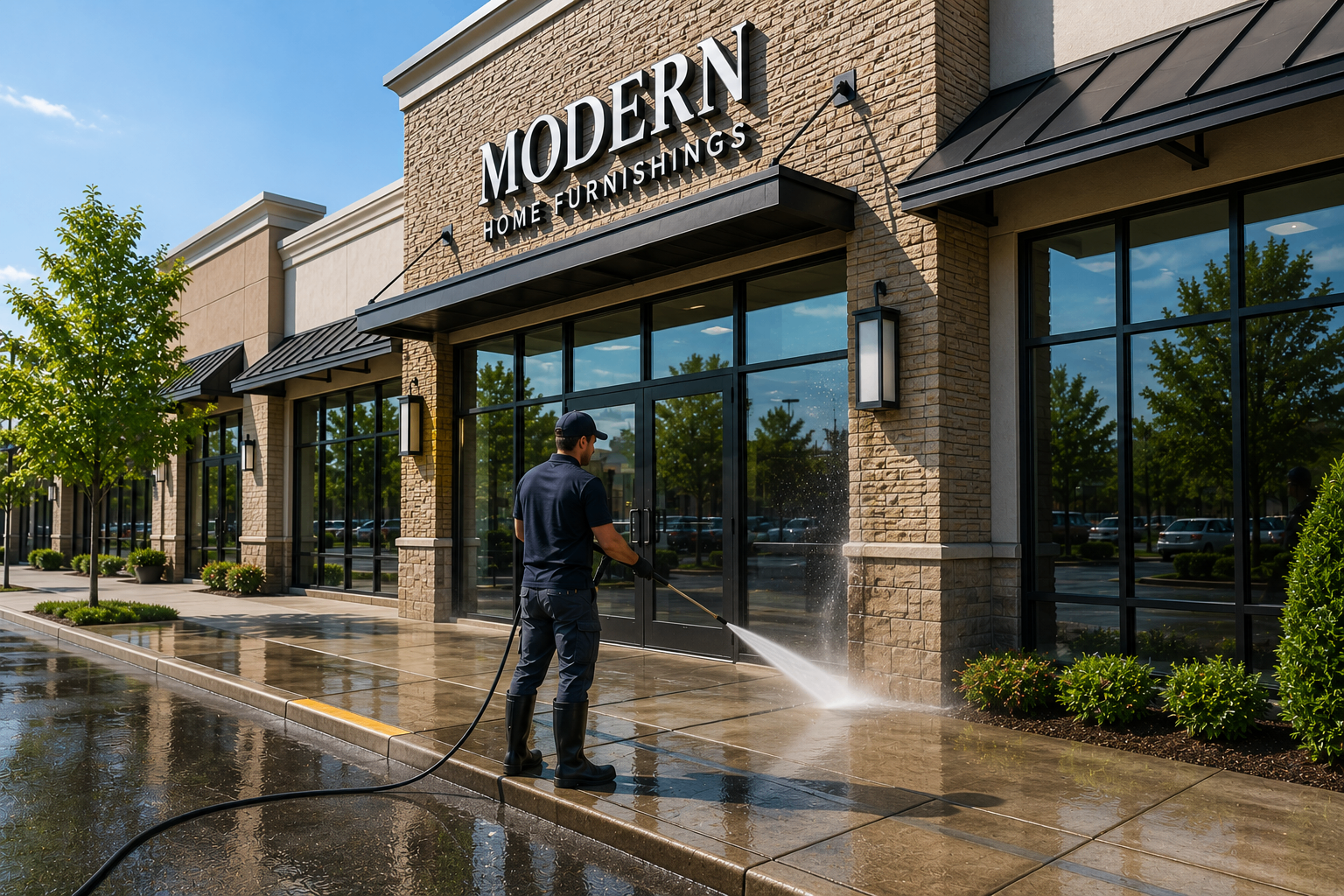
Routine exterior washing prevents invisible bacterial film and black algae from turning wet concrete into skating rinks. In humid environments like Coconut Creek, commercial properties face constant pedestrian traffic combined with sudden tropical downpours. Investing in proactive surface treatment keeps patrons safe and slashes liability claims.
The Hidden Hazards Growing on Coconut Creek Commercial Walkways
South Florida gives property managers plenty of headaches, but few threaten your bottom line as fast as slick sidewalks. Between the dense tree canopy along Lyons Road and the daily rainfall during hurricane season, Coconut Creek properties provide the ideal greenhouse for organic growth. Algae, mold, and cyanobacteria love damp concrete. When these micro-organisms latch onto high-traffic pavement, they create an invisible, gelatinous layer. Dry concrete feels textured and safe underfoot, but a two-minute afternoon thunderstorm activates that biofilm instantly. That sudden moisture turns everyday entryways near outdoor retail centers like the Promenade at Coconut Creek into slip-and-fall hotspots. If your maintenance team only acts when concrete looks dark green or black, you've waited too long. Clear biofilm forms weeks before obvious discoloration appears. To truly reduce slip fall risk cleaning must happen on a proactive schedule rather than waiting for visible neglect.
Why South Florida Humidity Creates Serious Liability Issues
Premises liability laws in Florida hold property owners and facility managers accountable for maintaining reasonably safe environments. Broward County civil courts see thousands of slip-and-fall lawsuits every year, and insurance adjusters investigate whether a facility had a documented cleaning protocol. When someone falls outside a medical office or busy restaurant, investigators examine the walkway for grease, mold, and pooling water. The subtropical moisture in Coconut Creek keeps dew points high and surfaces damp long after sunrise. Shaded corridors, parking garage aprons, and perimeter sidewalks remain slick for hours. Skipping regular washing doesn't just look sloppy. It exposes your commercial property to massive liability claims that can spike your insurance premiums or lead to six-figure payouts. Call us at +1 754-253-5827 for a same-day estimate if you suspect your high-traffic walkways pose a slip hazard.
High Risk Surface Zones Property Managers Often Overlook
Most commercial teams remember to sweep the main entrance, but dangerous traction loss usually happens in secondary transition zones. Curb ramps meeting asphalt lots collect motor oil, rainwater runoff, and street dust. When pedestrian crosswalks sit under dense oak trees in communities like Winston Park, falling pollen and tannins feed slick algae colonies right where people step down. Exterior stairs, building aprons, and outdoor dining patios also accumulate dangerous grease layers from spilled drinks, food prep, and tracked cooking oil. Reviewing our sidewalk cleaning service tips for retail and restaurants helps you spot these high-friction loss points before someone takes a tumble. Dumpster pads and loading docks carry heavy grease loads as well, where staff members rushing through back doors can easily lose their footing on contaminated concrete.
DIY Garden Hoses Versus Commercial Hot Water Extraction
Handing an on-site janitor an electric pressure washer from a big-box store rarely solves traction problems. Cold-water blasting at low pressure merely pushes top-layer grime across the pavement, leaving deep organic roots and greasy residues inside the concrete pores. Commercial concrete requires commercial tools. Industrial surface cleaners apply balanced, high-volume flow while spinning nozzles ensure zero surface etching. For greasy restaurant entries and greasy asphalt lots, we deploy commercial-grade hot water units reaching 200 degrees Fahrenheit. Hot water cuts through animal fats, automotive fluids, and cooking grease that cold water simply smears. If your current cleaning routine relies on a standard push broom or light rinse, you are not stripping away the biofilm that triggers liability claims. Read our guide on parking lot sweeping vs pressure washing in Margate to see why mechanical sweeping alone never removes wet slip hazards.
Professional Treatment Protocols That Keep Concrete Safe
At Coastal Surface Experts, we treat surface maintenance as a safety engineering process. We start every project by identifying drainage choke points, high-shade spots, and grease zones. Next, we pre-treat the concrete with specialized algaecides and degreasers designed to break down bacteria and organic oils at the molecular level. This chemical pre-treatment loosens embedded soils so our technicians can rinse the area using rotary surface cleaners at calibrated pressure levels. We never blast away at your expansion joints or chew up your concrete cream layer with aggressive zero-degree tips. After the main wash, we apply a neutralizing post-treatment that kills remaining micro-spores, keeping algae from returning for months longer than pressure-only washes. If you manage retail strip centers, office parks, or public-facing facilities in the city, check out our dedicated Coconut Creek exterior cleaning options. If you'd rather skip the guesswork and ensure tenant safety, book a free quote and we'll handle it.
Typical Maintenance Schedules and Budget Expectations
Establishing a routine cleaning schedule is far more affordable than defending a single personal injury lawsuit. For most commercial properties in Coconut Creek, exterior washing frequency depends on shade, foot traffic, and proximity to irrigation sprayers. Reclaimed sprinkler water contains hard minerals and sulfur that accelerate staining and surface wear. Retail plazas and busy storefronts typically require monthly or bi-monthly walkway cleaning, while standard office parks and corporate campuses maintain safe traction with quarterly or semi-annual cleanings. Dedicated commercial parking lot cleaning should occur at least twice a year to clear slippery oil slicks, tire residue, and storm debris. Our commercial wash packages generally start at $250 for targeted storefront aprons and small entries, with expansive commercial centers priced according to square footage, surface contamination, and required scheduling windows.
Common Property Management Mistakes That Void Safety Gains
We often see facilities managers make critical errors that actually increase slip hazards over time. The most frequent mistake is using caustic store-bought bleach without proper dilution or rinsing. Bleach dries on the surface, leaves slippery salts behind, kills surrounding landscape beds, and corrodes metal door frames. Another common error involves relying on quick maintenance washes while ignoring drainage issues. When downspouts dump roof runoff directly onto pedestrian walkways, pooled water guarantees constant algae growth regardless of how often you blast it. Finally, skipping regular surface maintenance during the summer wet season because 'it's just going to rain anyway' creates catastrophic risks. Frequent rain is the exact reason you need clean, textured concrete. Rain falling on clean concrete drains safely, while rain falling on biological film triggers accidents.
Wrapping up
You cannot control Coconut Creek downpours or heavy pedestrian foot traffic, but you can control the condition of your walking surfaces. Regular exterior washing protects your visitors, enhances curb appeal, and provides proof that your team takes property safety seriously. Get in touch with Coastal Surface Experts to request your free commercial quote and keep your walkways safe year-round.