Remove Rust Stains From Concrete & Pavers in Broward
July 29, 2026
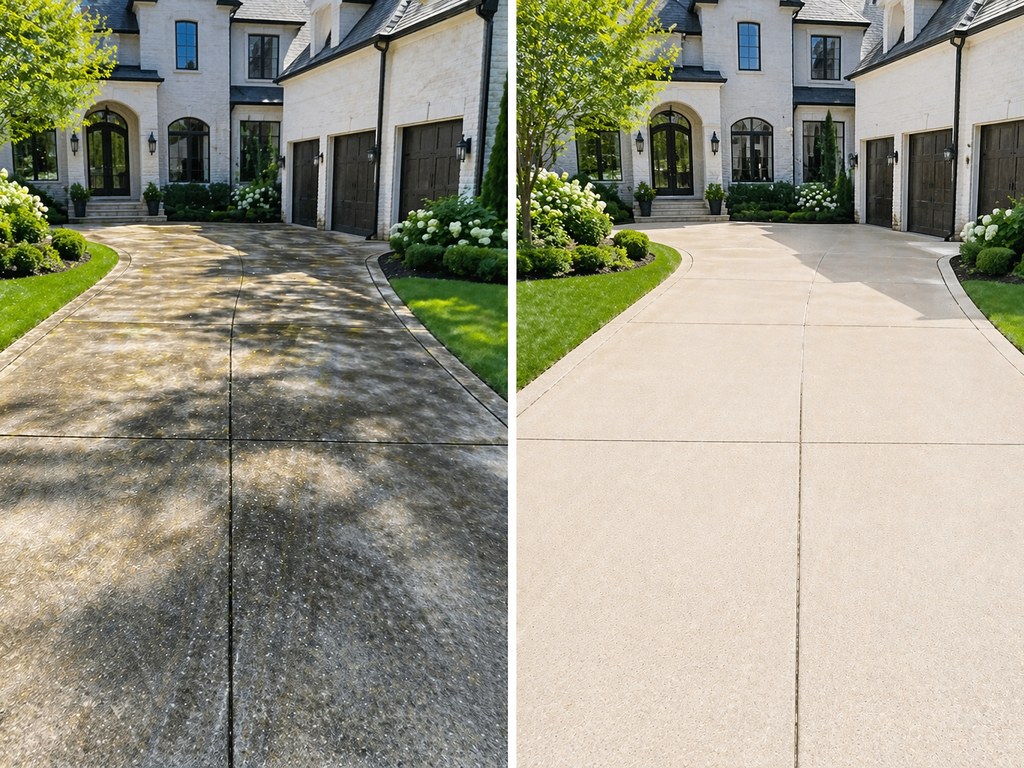
Rust stains from irrigation, outdoor furniture, or fertilizers are a common headache for Broward County homeowners. While some DIY solutions exist, knowing the right approach and when to call a professional can save your concrete and pavers from permanent damage.
The Stubborn Reality of Rust Stains in South Florida
If you live in Pompano Beach, Fort Lauderdale, or anywhere else in Broward County, you're no stranger to rust. Our humid environment and the prevalence of well water for irrigation systems, particularly when it's high in iron, means rust stains are an almost inevitable part of home ownership here. That unsightly orange or reddish-brown mark on your pristine concrete driveway, lanai, or paver patio isn't just an eyesore; it's a persistent problem that can degrade your property's curb appeal and even its value over time. These stains often come from metal furniture, fertilizer containing iron, or the sprinkler heads themselves as they corrode, spraying iron-rich water onto your surfaces. They can also appear after hurricane season if metal debris sits on your concrete for too long. Understanding where these stains come from is the first step in tackling them effectively.
Why Standard Cleaning Won't Cut It for Rust
Many homeowners start by trying regular pressure washing or a bleach solution, thinking it'll quickly wash away the discoloration. Unfortunately, rust isn't like typical dirt, grime, or even mold and algae which are common here in South Florida. Rust is a chemical reaction involving iron and oxygen, and it actually binds to the porous surface of concrete and pavers. Bleach can even make rust stains worse by oxidizing the iron further, setting the stain deeper. Standard pressure washing, while excellent for overall concrete cleaning and removing surface dirt, often isn't enough to break these chemical bonds. You need specialized cleaners designed to dissolve the rust without damaging the underlying material. Using the wrong product or too high a pressure setting can etch your concrete or discolor your pavers permanently, making the problem look even worse than before. That's why understanding the chemistry behind it is so important.
DIY Rust Removal, What You Need to Know and What to Avoid
For minor, fresh rust spots, a DIY approach might work. You'll need a dedicated rust remover product designed for concrete and masonry – look for ones containing oxalic acid or hydrofluoric acid (use with extreme caution!). Always test it on an inconspicuous area first to ensure it doesn't discolor your surface. Apply the product, let it dwell for the recommended time (don't let it dry!), then scrub, and rinse thoroughly. Wear appropriate personal protective equipment, including gloves and eye protection, as these chemicals can be harsh. Never mix different cleaners, especially not anything containing ammonia with bleach, as this creates dangerous gases. Also, avoid wire brushes on pavers, as they can scratch the surface. If you're dealing with extensive staining or simply don't want the hassle, remember that professional help is always available. You can learn more about the differences between DIY and professional cleaning in our article on DIY vs Professional Pressure Washing. If you'd rather skip the chemicals, book a free quote and we'll handle it responsibly.
The Professional Approach to Erasing Rust Stains
At Coastal Surface Experts, we use a targeted, multi-step process to safely and effectively remove rust from your concrete and pavers. We start by identifying the source and type of rust stain, which helps us choose the right commercial-grade, biodegradable rust-removal solution. These aren't your average store-bought cleaners; they're stronger and formulated to specifically tackle iron oxidation without harming your surfaces or the surrounding landscape. Our technicians apply the solution, allowing it to penetrate and break down the rust at a molecular level. After the appropriate dwell time, we use controlled, professional pressure washing techniques to thoroughly rinse away the dissolved rust and cleaner. Because we're located right here in Broward County, serving areas like Hollywood and Coral Springs, we're familiar with the tough stains our local environment poses. We're also experts in HOA requirements, so we make sure to get the job done right the first time, helping you avoid any unnecessary fines. Call us at +1 754-253-5827 for a same-day estimate.
Prevention is Key, Stop Rust Before It Starts
The best rust stain is the one that never happens. Once you've removed existing stains, focus on prevention. If your irrigation system uses well water, consider installing an iron filter to reduce the mineral content. Regularly inspect your sprinkler heads and replace any that are corroded. Use plastic or aluminum furniture outdoors instead of iron, or place protective pads underneath metal legs. Be cautious with fertilizers containing iron; apply them carefully and sweep any granules off concrete or pavers immediately after application. Finally, consider sealing your concrete and pavers after cleaning. A good quality sealant creates a barrier that makes your surfaces less porous, resisting future stains and making them easier to clean. Read more about the benefits in our article, 'Concrete Sealing After Pressure Washing: Is It Worth It?.' This proactive step can significantly extend the life and appearance of your hardscapes against the harsh South Florida elements.
When to Call the Experts, Signs You Need Professional Help
While DIY attempts are possible for small, superficial rust spots, there are definite signs it's time to call Coastal Surface Experts. If the stains are large, deep-set, or have been present for a long time, store-bought removers likely won't be effective. If you've tried DIY methods and the stains persist or worsen, you might be using the wrong product or technique. Also, if you're dealing with delicate surfaces like painted concrete, stamped concrete, or expensive pavers, experimenting with harsh chemicals can lead to irreversible damage. We have the experience and equipment to handle these materials safely. We serve all of Broward County, from Miramar to Lighthouse Point, and we understand the unique challenges our local environment presents. Don't risk damaging your property or wasting money on ineffective products; sometimes, the most cost-effective solution is to hire a professional from the start.
Cost Considerations for Rust Removal Services
The cost of professional rust stain removal varies depending on several factors: the size of the stained area, the severity and depth of the rust, the type of surface (concrete versus intricate pavers), and accessibility. For smaller, less severe areas, prices might be starting at $75-$150. For larger driveways or patios with extensive, deep-set rust, you could expect prices starting at $200-$500 or more. These figures are estimates only; we always provide a detailed, transparent quote after assessing your specific situation. Keep in mind that investing in professional removal often prevents costly repairs or replacements down the line if the problem is left unaddressed or improperly treated. It's an investment in your home's aesthetics and longevity, especially with the high humidity in places like Lauderhill that can make stains persist longer, as discussed in 'How Long Does Pressure Washing Last in Lauderhill's Humidity?'. Many of our residential services packages can include rust removal as an add-on, making it more economical.
Wrapping up
Rust stains can be a real headache for homeowners and property managers across Broward County. While addressing them can be a tricky task, it's not impossible. By understanding the causes, using the right products, and knowing when to call in the professionals, you can restore your concrete and pavers to their original beauty. Don't let unsightly rust detract from your property's appeal. For a permanent solution and a free, no-obligation quote, contact us today at Coastal Surface Experts. We're ready to help you reclaim your surfaces. Visit our contact page to get started.