Remove Oil Stains From Driveway Surfaces in South Florida
November 6, 2026
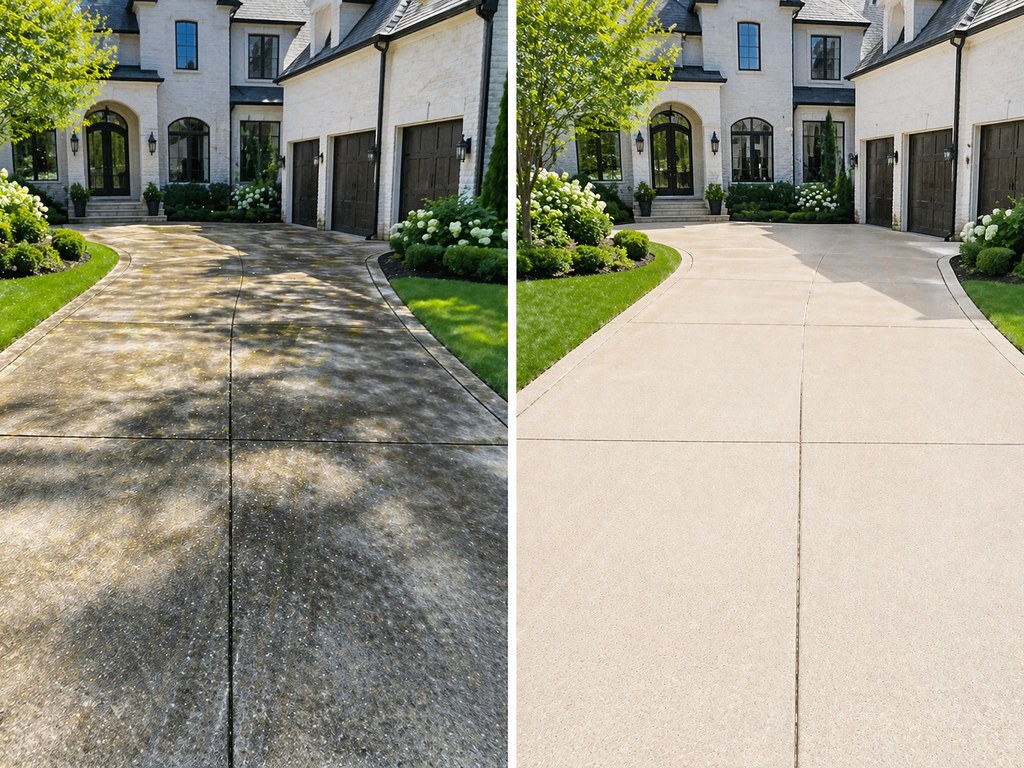
Motor oil, sprinkler rust, and slick black mildew ruin the curb appeal of South Florida homes faster than almost anywhere else. Standard garden hoses won't cut it once engine fluids soak into porous limestone concrete. Here is how homeowners across Broward County can eliminate stubborn driveway discoloration, protect their paving, and stay ahead of strict HOA violation notices.
Why Driveways in Broward County Take Such a Severe Beating
Your driveway works harder than almost any other flat surface on your property. Down here in South Florida, that concrete or brick paver surface faces a brutal combination of direct subtropical sunlight, heavy afternoon thunderstorms, and constant salt air blowing inland from the Atlantic. When you park a hot vehicle on a driveway in Fort Lauderdale, Hollywood, or Pompano Beach after sitting in I-95 traffic, the engine heat expands the microscopic pores of the concrete. Any dripping motor fluid, transmission oil, or coolant drops directly onto that expanded surface, soaking deep into the slab.
Once the sun sets and the surface cools, those pores contract, trapping the petroleum deep inside the aggregate. Add in the high humidity that hangs over Broward County year-round, and you create an ideal environment for biological growth to feed right alongside those chemical spills. Standard concrete poured across Florida contains porous limestone aggregate that acts like a hard sponge. When you want to remove oil stains from driveway slabs, surface scrubbing with cold water simply spreads the grease around instead of lifting it out of the substrate.
How to Treat and Lift Deep Oil Spills From Porous Concrete
Petroleum stains present a chemistry problem, not just a pressure problem. Fresh spills are easiest to handle if you catch them immediately. Cat litter, cornstarch, or baking soda spread over the pool of liquid will absorb the excess standing fluid before it sinks further into the slab. Let the dry absorbent sit for an hour, sweep it up, and dispose of it properly. The real challenge comes from the gray, dark shadow left behind after the liquid disappears.
Household dish soap can break surface tension on light grease, but deep petroleum stains require an industrial alkaline degreaser or an enzymatic cleaner. Enzymatic products contain live microbes that literally consume hydrocarbon molecules, turning the oil into water and carbon dioxide. You work the solution into the damp surface with a stiff-bristle nylon brush, let it dwell for twenty minutes without letting it dry out, and then rinse thoroughly. If you'd rather skip the greasy scrub brushes, book a free quote and we'll handle it for you. Tough spots might require a poultice, which blends a solvent with an absorbent powder like diatomaceous earth spread over the spot and taped under plastic wrap for twenty-four hours to pull the stain straight out.
Knocking Out Stubborn Irrigation Rust and Battery Acid Burns
Driveways throughout Broward County frequently show bright orange and reddish-brown streaks that look like spilled paint. In most neighborhoods from Davie to Plantation, that discoloration comes from shallow-well irrigation systems. South Florida groundwater contains dissolved iron that oxidizes into ferric hydroxide the second it hits open oxygen and concrete. Every time your sprinkler heads overspray your parking pad, they lay down another thin coat of mineral rust.
Never spray bleach or general household chlorine on orange driveway stains. Bleach is an oxidizing agent, which means spraying it on iron oxide actually accelerates the staining process and locks the rust tighter into the pores. Instead, removing mineral stains demands an acid-based chemical cleaner like oxalic acid or specialized phosphoric rust strippers. These compounds chemically reverse the oxidation, converting iron back into a clear, water-soluble salt that rinses away safely. Golf carts and older car batteries also produce corrosive acid burns that mimic rust but actually eat into the lime binder of the concrete. Neutralizing these burns requires careful chemical balancing so you don't ruin the finish of your slab.
Black Algae and Slippery Mildew on South Florida Pavers
If your driveway looks like it's covered in dark, muddy soot that won't sweep away, you're looking at Gloeocapsa magma and related bacterial algae strains. These organisms thrive on the calcium carbonate inside Florida concrete and the damp sand joints between driveway pavers. During our wet hurricane season, this biological film turns into a slick, ice-like hazard that makes walking to your car dangerous.
Pressure alone doesn't solve a biological infestation. If you blast black algae with high pressure, you blow off the top layer while leaving microscopic root systems lodged deep in the damp pores. Within four to six weeks, the dark patches bloom right back. The proper fix involves applying an algaecide surfactant mix that kills the organism down to the spore level before gently rinsing it clear. Reviewing the best time to pressure wash Florida homes and driveways helps you time your cleaning cycle right as the summer rains taper off, keeping the surface bright and safe throughout the dry winter months.
DIY Mistakes That Can Permanently Etch Your Driveway
Many well-meaning homeowners run out to the local hardware store, rent a small pressure washer, and end up causing thousands of dollars in permanent surface damage. The most common error is holding a zero-degree pencil tip nozzle a few inches away from the concrete to gouge out an oil mark. That concentrated stream will etch lines directly into the cream coat of your slab, leaving permanent "Zorro marks" that you can never buff out.
Another dangerous shortcut is pouring raw muriatic acid directly onto plain gray concrete. While muriatic acid can strip rust, it attacks the alkaline calcium silicate hydrates holding the concrete together. It dissolves the smooth top layer, exposes the rough aggregate beneath, and turns the area into a rough, chalky patch that collects dirt twice as fast. Using wire wire brushes on brick pavers is another frequent mistake because it scratches the baked clay or colored concrete coating and tears up joint stabilization sand. Before tackling any large flatwork project on your own, take a look at how to prepare for pressure washing so you don't damage nearby landscaping, exterior outlets, or car finishes.
The Professional Approach and Commercial Grade Solutions
At Coastal Surface Experts, we don't just blast cold water at high pressure and hope the stains disappear. True deep cleaning requires balanced water flow, heat, and commercial chemistry. When we treat severe oil stains, we use commercial hot-water pressure units that push water temperatures over two hundred degrees. Hot water liquefies baked-in petroleum grease, allowing our specialized emulsifying agents to break the chemical bond between the oil and the porous concrete aggregate.
We apply our cleaning solutions evenly using dedicated low-pressure chemical injectors, let them dwell to digest organic and chemical grime, and then clean the entire surface with dual-nozzle rotary surface cleaners. These circular flatwork tools hover evenly over your driveway, delivering identical pressure across every single square inch without leaving streaks, swirl marks, or gouges. Call our team at +1 754-253-5827 for a fast estimate and we'll walk your property to build a tailored plan for your specific surface material, whether it's poured concrete, stamped asphalt, or interlocking pavers across our areas served.
Driveway Cleaning Costs and Recommended Maintenance Schedules
Budgeting for professional exterior maintenance shouldn't be a guessing game. In South Florida, professional flat surface restoration pricing depends on your overall square footage, whether you have decorative pavers or plain slab concrete, and the severity of embedded stains like heavy diesel or well-water iron. Most professional surface cleaning jobs for standard two-car driveways start at $150 to $250 for standard washings, while specialized multi-stage stain extractions start at $300 to $450 depending on chemical demands.
For most homes across Broward County, scheduling a full concrete cleaning service once or twice every year keeps you fully compliant with local HOA bylaws and stops slippery mold from taking hold. If your property features mature shade trees, poor drainage, or an automatic sprinkler line pulling from canal water, an every-six-month schedule keeps organic buildup from etching into the sealer. Routine care protects your property value and prevents costly structural replacements down the road.
Wrapping up
You don't have to live with unsightly vehicle fluid marks, slippery black algae, or ugly sprinkler rust ruining your home's entry. Whether you're getting ready to put your home on the market or you simply want to get rid of an annoying HOA violation letter, Coastal Surface Experts has the specialized equipment and chemistry to restore your surfaces safely. Skip the back-breaking scrubbing and reach out to our local team. Request your free driveway cleaning quote today and let our Pompano Beach crew bring your concrete back to life.