
Remove Algae From Stucco Safely in Broward County
July 3, 2026

Stucco is a popular, durable finish in Broward County, but its porous nature makes it a magnet for algae and mold, especially with our South Florida humidity. Removing these growths safely requires a delicate approach, prioritizing a soft wash over high-pressure methods. This guide covers how to tackle the problem yourself or when to call the professionals to protect your home's integrity and appearance.
Why Algae and Mold Love Your Stucco in South Florida
If you live anywhere in Broward County, from Pompano Beach to Hollywood, you know all too well the battle against green and black growth on your home's exterior. Stucco, while beautiful and resilient, is a particularly susceptible surface. Its textured, porous nature creates countless nooks and crannies where moisture can hide and organic material can take root. Combine that with South Florida's relentless humidity, frequent rain, and warm temperatures, and you've got the perfect breeding ground for algae, mold, and mildew. These aren't just cosmetic issues; they can actually hold moisture against your home, potentially leading to long-term damage, degradation of your stucco, and even impact your indoor air quality if spores find their way inside. It's a year-round challenge, but hurricane season especially exacerbates the problem with constant dampness. Many homeowners try DIY solutions, but it's crucial to understand the risks involved, especially for surfaces like stucco which can be easily damaged.
Identifying Algae and Mold on Your Stucco
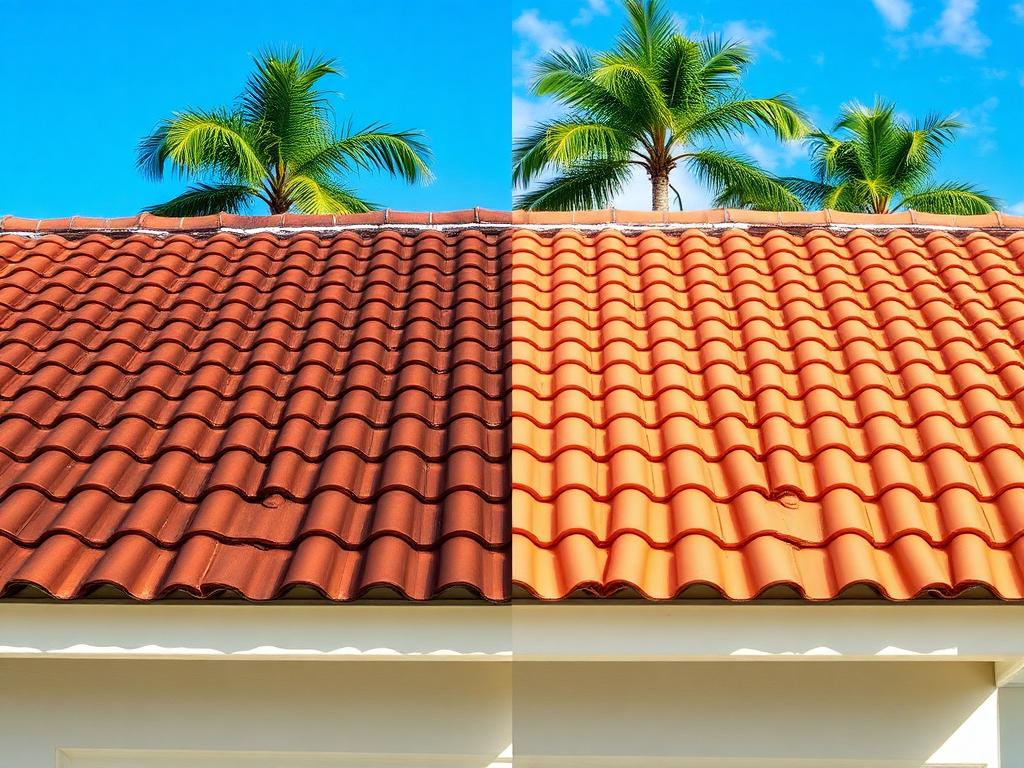
Before you can effectively remove it, you need to know what you're dealing with. Algae usually appears as a greenish film or patch, often looking slimy when wet. It's especially common on north-facing walls that get less direct sunlight, or areas consistently shaded by trees or neighboring structures. Mold, on the other hand, can present in various colors beyond just black. You might see dark green, brown, or even reddish-brown patches. Mildew is a type of mold that typically grows flat on surfaces and looks powdery. Both thrive in damp conditions and high humidity, which is why they're so prevalent here in Fort Lauderdale and surrounding areas. Once you spot these growths, it's a good indicator that it's time for a thorough cleaning. Ignoring these signs only allows the organisms to spread further and embed deeper into the stucco's pores, making removal harder down the line. You'll notice these growths much faster on lighter-colored stucco, but they're just as present on darker finishes too.
Understanding the Risks of High-Pressure Washing Stucco
It's a common misconception that more pressure equals a cleaner surface. While powerful pressure washing has its place on very durable surfaces like certain concretes, it's an absolute no-go for stucco. Stucco, particularly the softer, synthetic varieties, is simply not designed to withstand high-pressure water streams. Using too much force can etch lines into the surface, strip paint, blow off chunks of the finish, or even inject water behind the stucco panels. This can lead to serious issues like moisture intrusion, mildew growth within your wall cavities, and costly structural damage. Once you've compromised the integrity of your stucco finish, you're not just looking at a cleaning bill but potentially a repair bill that could run into thousands of dollars. That's why professionals in Broward County always recommend a gentle approach, specifically soft washing, when dealing with delicate surfaces like stucco. If you're curious about the difference, you can read more about soft wash vs. pressure wash for residences in our article on "Soft Wash vs Pressure Wash for Your Plantation Home?"
DIY Stucco Cleaning with Soft Wash Techniques
If you're opting for a DIY approach, remember that 'soft' is the key word. You'll need a low-pressure sprayer, often a garden hose with a specialized nozzle, and a cleaning solution. A common homemade solution includes oxygen bleach (sodium percarbonate) mixed with water, or a commercial stucco cleaner. Always test any solution on an inconspicuous spot first to ensure it doesn't cause discoloration. The process usually involves wetting the stucco thoroughly, applying the cleaning solution from the bottom up to prevent streaking, letting it dwell for 15-30 minutes (don't let it dry on the surface), and then rinsing gently from top to bottom with your low-pressure sprayer. You might need a soft brush for stubborn spots, but avoid harsh scrubbing. Wear protective gear like gloves and eye protection. It's a labor-intensive process, especially for a whole house. If you'd rather skip the ladder and the chemicals, book a free quote and we'll handle it. Remember that cleaning isn't just about removing the current growth; it's about doing it safely and effectively. For other helpful cleaning tips, check out our selection of expert tips.
The Professional Approach Our Soft Washing System
At Coastal Surface Experts, we've perfected a safe, effective method to remove algae and mold from stucco for homeowners across Broward County. Our professional soft washing system uses specialized low-pressure nozzles, similar to a garden hose, combined with biodegradable, eco-friendly cleaning solutions. These solutions are formulated to kill algae, mold, mildew, and bacteria at their roots, not just wash them away. The detergents adhere to the stucco, breaking down the organic growth, which then allows for a gentle rinse without any risk of surface damage. This method is not only safer for your stucco but also provides a longer-lasting clean because it eliminates the microscopic spores that cause regrowth. We take extra steps to protect your landscaping, cover sensitive vegetation, and ensure all run-off is managed responsibly. Our crew comes equipped with the right tools, knowledge, and insurance to tackle even the toughest stains on your Pompano Beach home. Call us at +1 754-253-5827 for a same-day estimate for our residential services.
Mistakes to Avoid When Cleaning Stucco
Plenty of homeowners make common mistakes that can lead to more harm than good. First, never use a high-pressure washer directly on stucco. We've probably stressed that enough, but it's worth repeating. Second, don't use harsh chemicals like chlorine bleach at full strength without proper dilution and understanding of its effects on your specific stucco type. Bleach can strip color from stucco, kill plants, and potentially harm local wildlife if not used correctly. Third, avoid abrasive scrubbing brushes or tools that can scratch or gouge the surface. Fourth, don't let cleaning solutions dry on your stucco; this can leave behind unsightly streaks and residue. Lastly, trying to clean a large, two-story home by yourself without proper equipment or safety precautions is a major mistake. Ladders, slick surfaces, and cleaning chemicals are a dangerous combination. We've compiled more helpful advice in our article about how to "Prepare for Pressure Washing Success in Deerfield Beach", which includes important safety considerations.
How Often Should You Clean Stucco in Broward County, FL?
Given Broward County's unique climate, regular maintenance is key to keeping your stucco looking its best. We generally recommend a professional soft wash for your stucco every 12 to 18 months. However, several factors might necessitate more frequent cleaning. If your home is heavily shaded by trees, if you live very close to water (which influences humidity and salt air exposure), or if you've recently experienced a particularly wet hurricane season, you might find yourself needing a clean closer to the 12-month mark. Properties with lighter-colored stucco finishes also tend to show dirt and organic growth more quickly. Proactive cleaning helps prevent the deep embedding of algae and mold, making each subsequent clean easier and more effective, and helps prolong the life of your stucco. Regular cleaning is a smart investment in your home's appearance and longevity.
Costs for Professional Stucco Soft Washing
The cost of professionally cleaning stucco can vary widely based on several factors, but it's often more affordable than you might think, especially when you consider the cost of potential DIY damage. Factors influencing the price include the size and height of your home, the severity of the algae and mold growth, the accessibility of the stucco surfaces, and any specific challenges like intricate architectural details or extensive landscaping. For a typical single-story home in Broward County, prices for a complete house washing that includes stucco soft washing might start at around $300-$500. Larger homes, multi-story properties, or those with very heavy infestations of growth will naturally be on the higher end of that scale. We always provide a transparent, no-hidden-fees estimate after a quick assessment of your property. Investing in professional stucco cleaning protects your home's curb appeal and preserves its structural integrity against Florida's harsh elements.
Wrapping up
Keeping your stucco free from algae and mold is essential for maintaining your Broward County home's beauty and structural integrity. While DIY soft washing is an option for smaller, accessible areas, the safest and most effective way to protect your investment is by hiring professionals who understand the nuances of stucco cleaning in our challenging Florida climate. Don't let unsightly growth degrade your home's curb appeal or cause long-term damage. Contact Coastal Surface Experts today for a comprehensive, no-obligation assessment and a free quote.