
Remove Algae and Mold From Stucco Without Damage in Broward
August 3, 2026
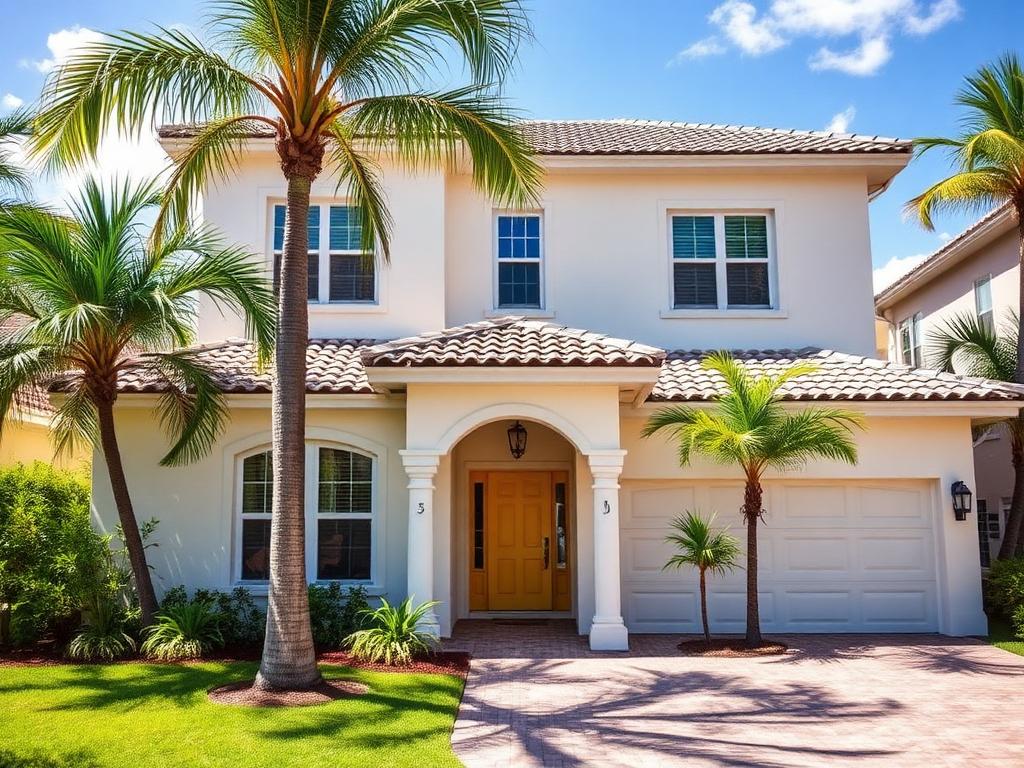
Stucco is common in South Florida, but it's prone to algae and mold due to our humidity and salt air. Removing these growths safely is crucial to protect your home's finish. We'll show you how to tackle the problem yourself or when to call a professional.
Why Algae and Mold Love Your Stucco in South Florida
If you're a homeowner in Broward County, especially in places like Pompano Beach, Fort Lauderdale, or Hollywood, you've probably noticed green or black streaks appearing on your stucco. That's algae and mold, and they absolutely thrive in our South Florida climate. Our high humidity, frequent rain, and warm temperatures create the perfect breeding ground for these organic growths. Plus, the salt air from the coast can also play a role, as it can create microscopic surface changes that allow these organisms to get a better foothold. Stucco, with its porous texture, offers plenty of tiny crevices for spores to settle and grow, holding onto moisture. It's not just an aesthetic issue; these growths can retain moisture against your home's exterior, potentially leading to bigger problems over time if left unchecked. Understanding why these invaders appear is the first step in knowing how to effectively remove algae from stucco without causing damage.
The Risks of Not Removing Stucco Algae and Mold Promptly
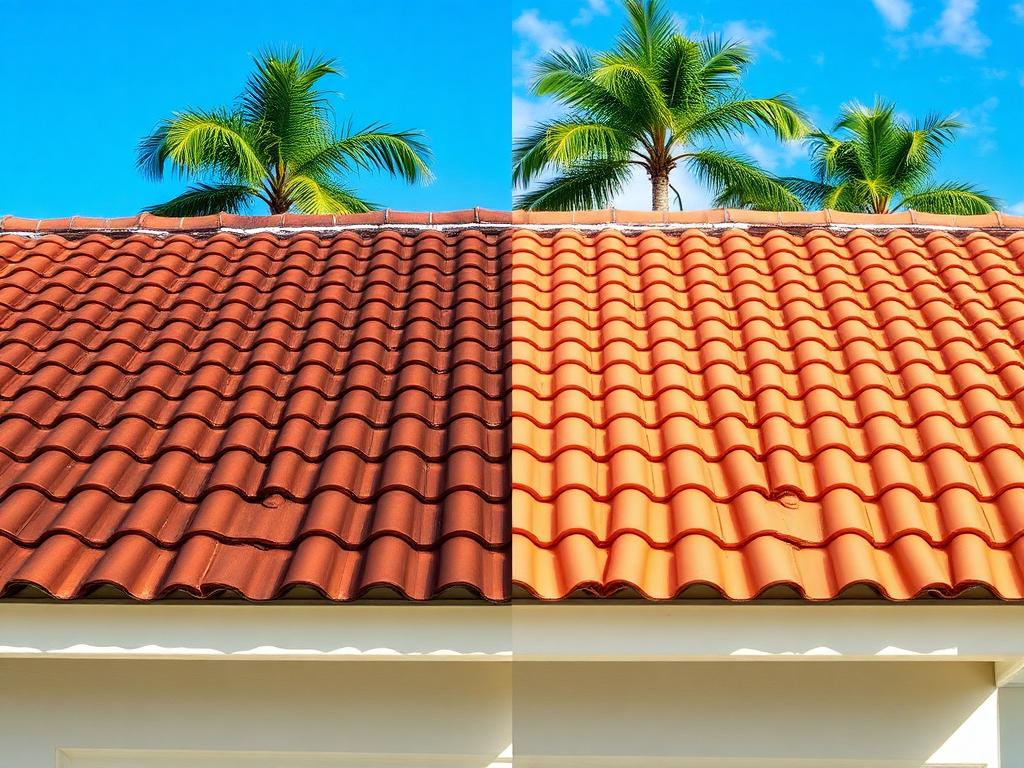
Ignoring algae and mold on your stucco isn't just about curb appeal, though that's certainly a big part of it. These growths can actually compromise the integrity of your stucco over time. They hold moisture against the surface, which can lead to staining, degradation, and even deterioration of the finish. In extreme cases, this can lead to spalling or cracking, which then allows water to penetrate deeper into your home's structure. For properties in areas like Coral Springs or Miramar, where HOAs often have strict appearance guidelines, keeping your stucco clean is also essential for compliance. Beyond structural concerns, mold and mildew can also release spores that can affect air quality around your home, which isn't ideal for anyone. It's much easier and more cost-effective to address these issues early than to deal with the consequences of long-term neglect. We've seen homes all over Broward County suffer from these issues, and it's always better to be proactive.
DIY Algae and Mold Removal From Stucco Your Options
If you're considering a do-it-yourself approach to remove algae from stucco, you have a few methods. For lighter growth, a simple mix of household bleach or a specialized cleaning solution with water can be effective. You'll want to apply this with a pump sprayer, let it dwell for 15-20 minutes, and then gently rinse with a garden hose. Always test a small, inconspicuous area first to ensure it doesn't discolor your stucco. Another option is a soft bristle brush for scrubbing, but be very gentle as aggressive scrubbing can damage the stucco finish. Never use a wire brush. The key here is low pressure and appropriate cleaners. For more stubborn stains, or if you're dealing with extensive growth on higher areas, reaching out to a professional is often the safer and more effective choice. If you'd rather skip the ladder, book a free quote and we'll handle it. Remember, safety always comes first, especially when working with cleaning chemicals and ladders.
Why Pressure Washing Stucco is Risky and How to Do It Right
Pressure washing stucco requires a delicate touch. While it might seem like the quickest way to blast away algae and mold, using too much pressure can severely damage your stucco. The high-pressure spray can chip, crack, or even blow off sections of the finish, creating costly repair jobs. This is especially true for older or poorly maintained stucco. If you must use a pressure washer, we recommend a very wide fan tip (40-degree or wider) and keeping the pressure setting very low, ideally below 800 PSI, with the nozzle several feet from the surface. The goal is to rinse, not to strip. We rarely use high pressure on stucco for this very reason; instead, we favor a method called soft washing. Soft washing uses specialized detergents and low-pressure water, similar to a garden hose, to clean and sanitize the surface. This technique effectively kills the algae, mold, and mildew at their roots, preventing their quick return, and does so without any risk of damaging your stucco. It's the method we use for house washing and other delicate surfaces across Broward County.
Professional Stucco Cleaning by Coastal Surface Experts
When you choose Coastal Surface Experts for your stucco cleaning needs in Broward County, you're getting a team that understands the unique challenges of our South Florida environment. We specialize in safe and effective methods, primarily soft washing, to remove algae from stucco without any risk of damage. Our process involves applying eco-friendly, biodegradable cleaning solutions that break down and kill the mold, mildew, and algae at a molecular level. After the solution has done its job, we gently rinse it away with low-pressure water, leaving your stucco clean and vibrant. We take great care to protect your landscaping, windows, and other parts of your property throughout the process. Our expertise isn't just in pressure washing; it's in understanding different surfaces and applying the right technique for optimal results. You can read more about why customers choose us for their exterior cleaning needs. Call us at +1 754-253-5827 for a same-day estimate for your Pompano Beach or Fort Lauderdale property.
Cost of Professional Stucco Cleaning in Broward County
The cost to professionally remove algae from stucco can vary based on several factors, including the size of your home, the severity of the growth, and accessibility challenges. For a typical residential stucco cleaning in Broward County, you can expect prices starting at around $350-$600 for a standard-sized home. Larger homes, properties with extensive staining, or those requiring special equipment for hard-to-reach areas might be at the higher end of that range. Factors like whether we're also cleaning other surfaces, such as a driveway cleaning or roof cleaning, can also influence the overall quote. It's always best to get a personalized estimate, as every property is unique. We provide transparent pricing and detailed quotes for all our residential services. Investing in professional stucco cleaning isn't just about aesthetics; it's about protecting your property value and the longevity of your home's exterior.
Preventative Measures and Maintenance for Stucco in Florida
Once you've got that clean stucco, you'll want to keep it that way. In Broward County, proactive maintenance is key to preventing the rapid return of algae and mold. Regular visual inspections are a good start. Trim back any foliage that's touching your stucco, as this can trap moisture and create shaded, damp areas where growth thrives. Ensure your gutters are clean and functioning properly to direct water away from your home's exterior; you don't want water constantly running down the walls. You might also consider annual or bi-annual preventative treatments with an algaecide, especially if your property is heavily shaded or experiences persistent growth. Generally, we recommend professional stucco cleaning every 12-24 months in our humid South Florida climate. For more tips on preparing your home for cleaning, check out our article, "Prepare for Pressure Washing: Your Broward Home Ready to Shine." Regular cleaning not only maintains your home's appearance but also helps protect its structural integrity.
Wrapping up
Removing algae and mold from stucco in Broward County is essential for maintaining your home's appearance and integrity. Whether you tackle it yourself or call in the experts, always prioritize safe, low-pressure methods to protect your stucco. If you're ready for a spotless exterior without the hassle, get a free quote from Coastal Surface Experts. We're happy to help.