
Remove Algae & Mold from Stucco Without Damage
October 3, 2026

Stucco, a popular building material in Broward County, is prone to algae and mold due to Florida's humidity and salt air. Removing these growths safely requires understanding the right techniques and cleaners to avoid damage. This guide covers how to identify, prevent, and effectively clean your stucco, whether you do it yourself or hire a professional.
Why Stucco is a Magnet for Algae and Mold in Broward County
If you live anywhere in Broward County, from Pompano Beach to Hollywood, you've probably noticed that beautiful stucco homes can develop green, black, or even red streaks. It's not just an aesthetic issue; it's a direct result of our unique South Florida climate. Our high humidity, frequent rain, and warm temperatures create the perfect breeding ground for various organic growths like algae, mold, mildew, and fungi. Stucco, with its porous texture, provides an ideal surface for these organisms to latch onto and thrive. They don't just sit on the surface; they actually embed themselves, making removal a bit more complex than just a quick rinse. Understanding this challenge is the first step to keeping your stucco looking clean and pristine.
Identifying the Culprits, Algae, Mold, and Mildew on Stucco
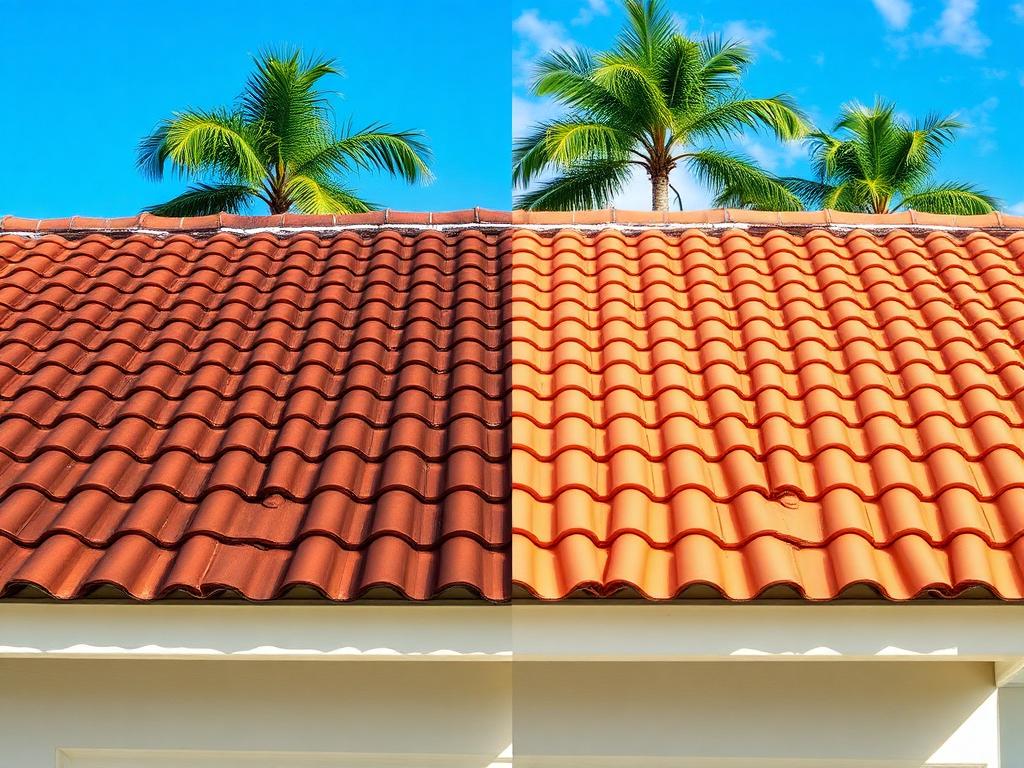
Before you can tackle the problem, you need to know what you're dealing with. While people often use 'algae' and 'mold' interchangeably, they're distinct organisms that often appear together on stucco surfaces. Algae usually presents as a green, slimy film, especially on the north side of your home or in shaded, damp areas. You'll often see it on walls, fences, and even driveways. Mold, on the other hand, can be black, brown, or even white and has a more fuzzy or spotty appearance. Mildew is a type of mold, typically flatter and powdery. Red or orange streaks are often caused by a specific type of algae or bacteria. These growths not only look bad, but they can also trap moisture against your stucco, potentially leading to deterioration over time if left unchecked. Regularly inspecting your property, especially after rainy periods, helps catch these issues early. We see all these issues across our areas served in Broward County, and we're experts at identifying them.
The Dangers of DIY Pressure Washing Stucco Incorrectly
It's tempting to grab a powerful pressure washer and blast away the grime, isn't it? However, stucco isn't like concrete. It's a relatively delicate, porous material, and using high-pressure washing can cause significant damage. You can etch the surface, create uneven spots, or even blast away chunks of the stucco itself, leading to costly repairs. High pressure can also force water behind the stucco, leading to moisture intrusion, mold growth inside your walls, and structural problems. Plus, without the right cleaning solutions, you might just be spreading spores around, only to see the algae and mold return even faster. This is why we almost always recommend a specialized soft wash system for stucco, which we'll talk about next.
The Soft Wash Solution, How to Safely Clean Stucco
When you want to effectively remove algae from stucco without causing harm, soft washing is the industry standard, especially here in Florida. Soft washing uses low-pressure water combined with specialized cleaning solutions to gently clean surfaces. These solutions are typically a blend of algaecides, mildewcides, and surfactants designed to kill organic growth at its root, not just rinse it away. The solution does the hard work, breaking down the algae and mold, and then a gentle rinse washes it all off. This method is much safer for stucco, preserves its integrity, and provides a much longer-lasting clean because it eradicates the spores. Our team uses biodegradable, eco-friendly detergents that are safe for your landscaping and pets. It's a smart choice for your Pompano Beach home and any property across Broward County. If you'd rather skip the ladder and the guesswork, book a free quote and we'll handle it for you.
DIY vs. Professional Stucco Cleaning, What to Consider
You might be wondering if you can tackle this yourself. For very small, localized spots, a DIY approach might work. You'd need a garden sprayer for the cleaning solution (bleach diluted with water and a dish soap surfactant is a common, though not always optimal, mix), a soft brush, and a low-pressure hose. Always test in an inconspicuous area first, wear protective gear, and protect your plants. However, for larger areas, persistent growth, or if you're not comfortable working at heights, hiring a professional is truly the best route. Professionals have commercial-grade equipment, specialized cleaning agents, and the experience to know exactly what pressure and solution concentration to use. They also understand local HOA guidelines and environmental regulations. It's not just about cleaning; it's about preserving your property's value and preventing future problems. For homeowners looking to prepare their property for a professional cleaning, we have a helpful guide on how to prepare your Broward home for pressure washing.
Preventative Measures to Keep Your Stucco Clean Longer
Once you've cleaned your stucco, you'll want to keep it looking great. Prevention is key in South Florida. Here are some tips:
* Trim Landscaping: Keep bushes, trees, and vines trimmed away from your stucco. They trap moisture and block sunlight, creating prime conditions for organic growth. * Improve Drainage: Ensure rainwater drains away from your home's foundation. Fix any leaky gutters or downspouts that might be continually wetting your walls. * Consider Sealants: After a thorough cleaning, a professional-grade breathable sealant can help protect porous stucco surfaces from absorbing moisture and inhibit future growth. This is a specialized application that should only be done by experts. * Regular Maintenance: Don't wait until your home is completely green. A regular, gentle cleaning every 1-2 years can prevent severe buildup. We offer recurring house washing services that can include your stucco. * Address Humidity: While you can't control the outside humidity, ensure good air circulation around your home where possible.
Cost Considerations and Frequency of Stucco Cleaning in Broward
The cost to remove algae from stucco in Broward County can vary significantly based on several factors: the size of your home, the severity of the growth, accessibility, and the specific cleaning methods required. Generally, professional stucco cleaning, part of a comprehensive residential pressure washing service, might start at a few hundred dollars for a typical single-story home. It's an investment in your home's curb appeal and longevity. We always provide transparent quotes, so you know what to expect. Call us at +1 754-253-5827 for a personalized, same-day estimate.
As for frequency, in our humid South Florida climate, most stucco homes benefit from a professional soft wash every 12 to 24 months. If your home is heavily shaded, near a body of water, or you've noticed rapid regrowth, you might opt for annual cleaning. Regular maintenance not only keeps your home looking its best but also helps prevent long-term damage from unchecked organic growth.
Wrapping up
Keeping your stucco free from algae and mold is crucial for your home's curb appeal and longevity, especially in the challenging South Florida climate. While some minor issues might be DIY-friendly, professional soft washing is the safest and most effective way to ensure a thorough, damage-free clean that lasts. Don't let organic growth diminish your home's beauty or compromise its integrity. For expert stucco cleaning in Broward County, get in touch with Coastal Surface Experts. You can easily request a free quote right from our website.