
Post Hurricane Commercial Cleanup and Insurance Guide
November 1, 2026
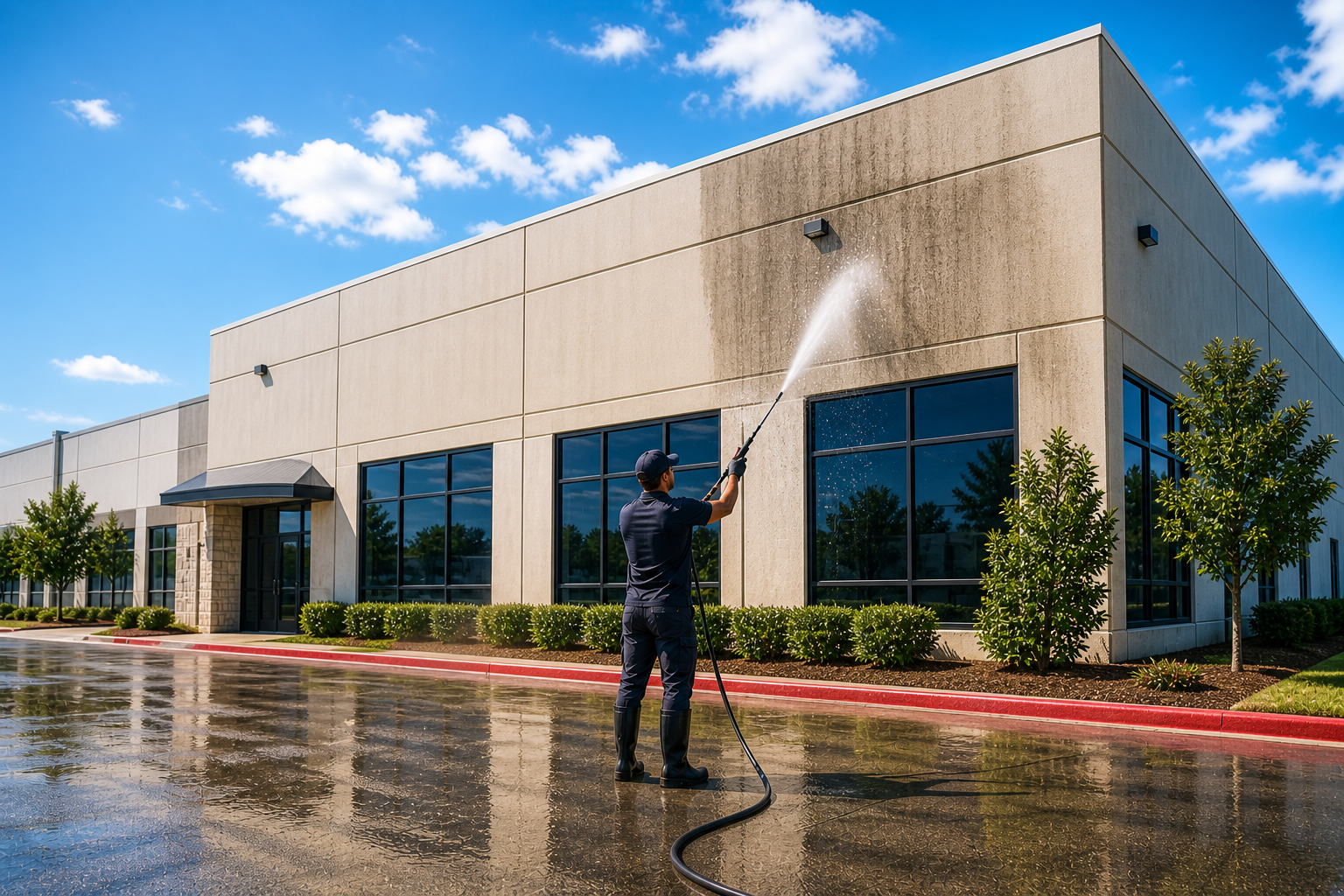
Immediate documentation and targeted post hurricane commercial cleanup protect your Broward County property from compounding moisture damage and rejected insurance claims. Learn how proper photographic evidence, salt mitigation, and professional exterior washing get your facility operational and reimbursed faster. Follow our step-by-step checklist to avoid common claim pitfalls after a South Florida storm.
The Real Storm Begins When the Wind Stops
When a tropical storm or hurricane pushes through South Florida, the structural pounding is only the first phase of destruction. Once the winds subside, property managers across Fort Lauderdale, Pompano Beach, and Hollywood face a ticking clock. Standing salt water, wind-driven grime, grease residue, and shredded vegetation stick to building exteriors like glue. If you manage an industrial park, retail strip, or office facility, you already know business interruption costs mount every hour your doors remain shut.
Insurance adjusters evaluate thousands of claims across Broward County after a major storm. They look for direct storm impact versus pre-existing neglect or secondary damage caused by poor property maintenance after the event. Starting an organized post hurricane commercial cleanup immediately protects your bottom line, keeps your tenants safe, and gives your insurer the concrete proof needed to write your check without endless pushback. If you previously reviewed our Commercial Hurricane Prep Checklist for Coral Springs, you know that preparation simplifies recovery, but post-storm execution decides the final financial outcome.
Documenting Exterior Property Damage Before Touching Anything
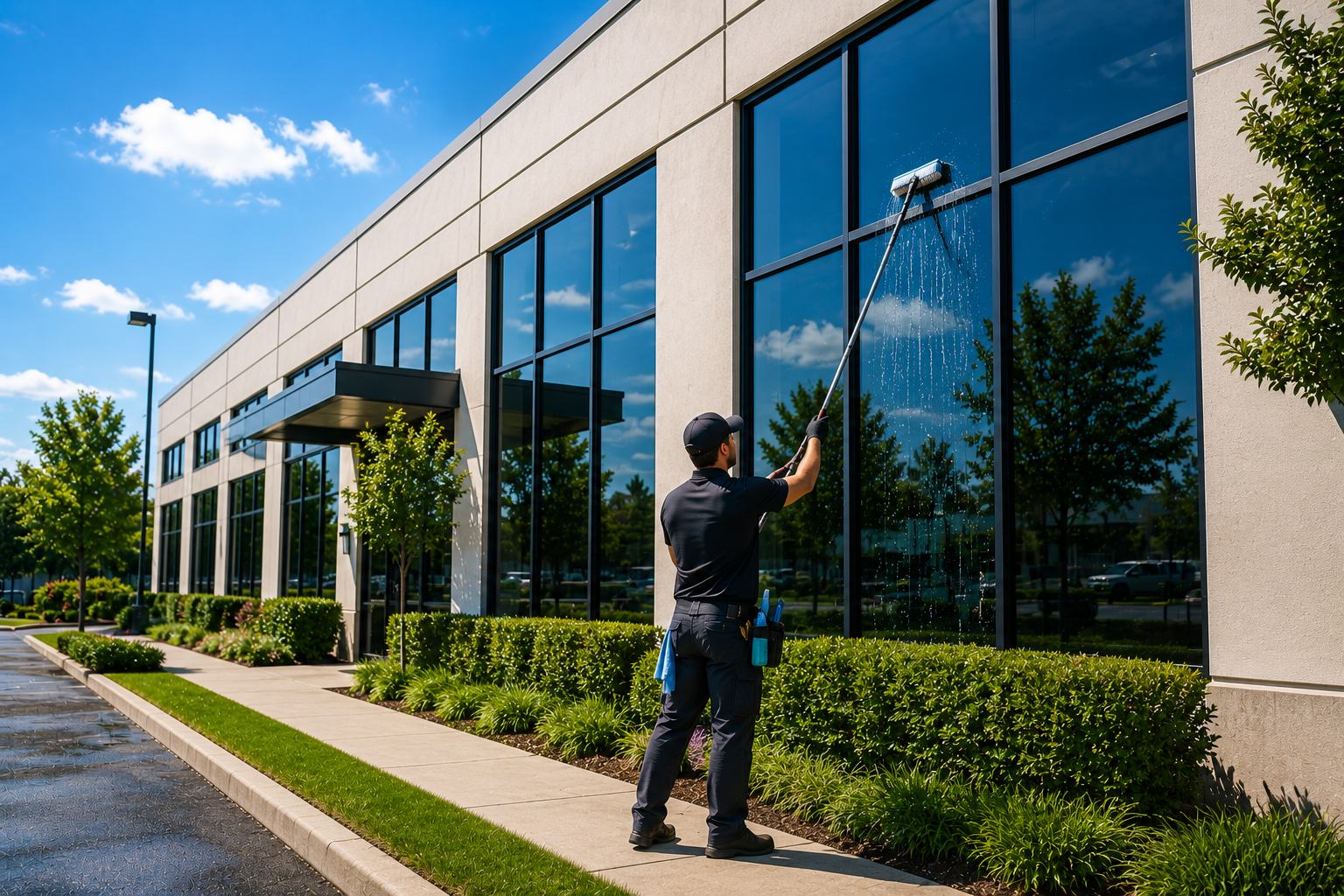
Your instinct might tell you to fire up a broom or clear the sidewalks right away, but cleaning before documenting can sink your insurance payout. Adjusters need to see the exact state the storm left behind. Before your maintenance crew sweeps a single pebble or clears a downed branch, document every square foot of your exterior envelope.
Take wide-angle photographs showing the context of your commercial parcel, then zoom in on specific failure points. Capture cracked stucco, dislodged fascia, stripped paint, stained soffits, and battered exterior signage. Walk your asphalt and concrete surfaces to record ponding water, silt buildup, and oil slicks washed into pedestrian paths. Video walk-throughs with audio narration work wonders because you can describe directional wind impacts and specific localized problems in real time. Ensure your smartphone or digital camera embeds GPS metadata and time stamps directly into the media files. Keep every image in a cloud folder organized by building section, because adjusters appreciate clean documentation and process well-organized files much faster.
Why Broward County Heat and Salt Residue Demand Quick Action
South Florida presents environmental challenges that northern properties never encounter. Hurricane winds scoop up corrosive seawater from the Atlantic and blast it miles inland across Broward County. This aerosolized ocean brine coats commercial facades, window frames, rooftop HVAC equipment, and parking structures. When the storm clears, intense Florida sunshine and 90% humidity bake that salt crust directly into porous stucco, brick, and joint sealants.
Salt draws moisture straight out of the atmosphere, which feeds rapid mold, mildew, and black gloeocapsa magma algae growth within days of the storm. If contaminated storm surge or street runoff sat on your flatwork, toxic bacteria and motor fluids have already penetrated deep into porous concrete pores. Regular rainfall won't wash this away; in fact, fresh rain reactivates the salt crystallization process and erodes protective exterior coatings. Restoring these surfaces requires targeted building washing paired with proper neutralizers to break down mineral crusts without scouring underlying materials. If you suspect structural contamination and want rapid answers, call us at +1 754-253-5827 for a same-day estimate.
DIY Maintenance Crews Versus Professional Storm Recovery Teams
Facility managers often ask their internal maintenance staff to handle storm recovery to save money. While on-site teams do a great job with routine maintenance, post-storm recovery introduces serious hazards and operational blind spots. In-house crews rarely carry commercial-grade hot water rigs, large-scale surface cleaners, or the proper fall protection gear required to safely access wind-battered parapets and high exterior walls.
High-pressure blasters in the hands of an untrained technician often blow high-velocity water behind damaged stucco wraps, saturate insulation, shatter weathered window seals, or etch delicate aggregate on sidewalks. Even worse, if an employee injures themselves handling debris or falling from a ladder, your workers' compensation carrier gets involved during an already stressful operational window. Professional exterior cleaning contractors bring high-volume water recovery equipment, lift-free wash systems, and commercial insurance coverage that protects your property liability. For taller structures, techniques like multi story building washing without lifts in Hollywood prove that specialized contractors clean multi-level facades faster and safer than internal teams ever could.
What Coastal Surface Experts Does Differently After Severe Weather
When you bring Coastal Surface Experts on-site for your post hurricane commercial cleanup, we don't just show up and spray water. We run a structured recovery protocol designed to support commercial property owners through operational reopening and insurance scrutiny. We start with a joint pre-wash assessment, recording our own photographic log of existing structural flaws so your insurance file has independent contractor validation.
We adjust water pressure and temperature depending on the substrate. High-traffic areas like concrete entryways, loading docks, and breezeways receive thorough parking lot cleaning using industrial surface cleaners that strip away oil, silt, and tree tannins without streaking. For stucco, exterior insulation finishing systems (EIFS), and fragile store signage, we switch to dedicated soft washing systems. Our specialized biodegradable solutions kill mold and algae down to the spore level while lifting salt layers safely. We also deploy strict wastewater containment practices so dirty storm runoff doesn't wash into municipal storm drains or violate local Broward County environmental regulations.
Common Post-Storm Mistakes That Jeopardize Insurance Claims
Commercial operators often make avoidable errors during storm aftermath that cost them thousands in denied insurance coverage. The most frequent misstep is discarding damaged property elements before the adjuster examines them. If the storm rips an awning loose or damages decorative building elements, secure them in a dry area for physical inspection rather than tossing them into the dumpster.
Another major error is failing to mitigate ongoing water intrusion. Property insurance policies require owners to take reasonable steps to prevent further damage. If wind-driven dirt and debris clog your roof scuppers and flat roof drains, standing water will find tiny fissures and enter tenant spaces. If you need immediate commercial help before mold takes hold, book a free quote and we'll handle it.
Finally, don't rely solely on verbal agreements from clean-up contractors who roll into South Florida from out of state chasing storms. Out-of-state operators rarely understand Florida Building Code nuances, lack local municipal licensing, and disappear as soon as their checks clear. Always partner with an established South Florida team that maintains local commercial references and verified general liability insurance.
Commercial Storm Recovery Costs and Frequency Factors
Commercial cleanup pricing depends directly on structural square footage, water access, debris density, and the level of bio-growth on the exterior envelope. For standard commercial flatwork and surface restoration, pricing generally starts at $0.15 to $0.35 per square foot for basic pressure washing and surface decontamination. Comprehensive commercial building washing, including delicate soft wash treatments for multi-story facades, typically features packages starting at $450 for small standalone retail envelopes, scaling up into thousands for large shopping centers or multi-acre logistics hubs.
In Broward County, exterior maintenance isn't a one-and-done project. Between hurricane season, which runs from June through November, and year-round marine humidity, commercial facilities should schedule exterior washing at least twice a year. Scheduling a comprehensive pre-season wash in late spring clears existing mildew and opens up drainage channels, while an autumn post-storm refresh removes accumulated salt, stains, and debris before the winter tourist season kicks into high gear.
Wrapping up
Recovering from a hurricane doesn't have to stall your business operations or drain your capital reserves. By documenting your site thoroughly, securing your perimeter, and scheduling professional surface restoration, you satisfy insurance adjusters and provide a clean, safe environment for your staff and customers. Coastal Surface Experts stands ready across Pompano Beach and all of Broward County with the commercial equipment and field experience your property demands. Protect your building envelope today: contact us for a free quote and let our specialists restore your commercial facility to pristine condition.