Keep Your Broward Pool Deck Safe and Clean: Algae & Slip Hazards
June 7, 2026
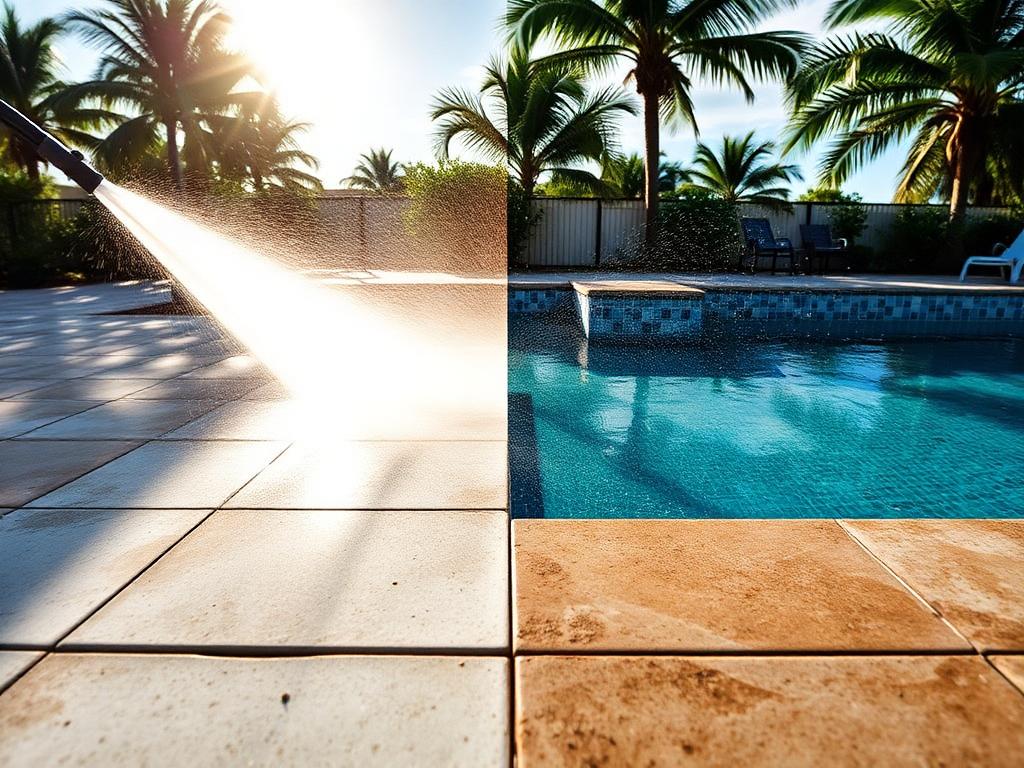
Florida's climate makes pool decks prime spots for algae and mold growth, creating unsightly, slippery, and unsafe surfaces. Regular pool deck cleaning isn't just about curb appeal; it's crucial for preventing slip-and-fall accidents and protecting your investment. Understanding the right techniques and when to call a pro can keep your Broward pool area pristine.
Why Your Broward Pool Deck Needs Regular Cleaning
Living in Broward County means enjoying our beautiful weather poolside, but it also means dealing with the unique challenges our climate presents. That constant South Florida humidity, combined with rain, sunlight, and the natural debris from our lush landscapes, creates a perfect breeding ground for algae, mold, and mildew on your pool deck. You've probably seen that greenish-black film or those dark spots forming. It's not just an eyesore; it's a serious slip hazard, especially when wet from splashing. We're talking about everything from concrete and pavers to travertine and stamped concrete. Each surface can harbor these growths, making what should be a relaxing oasis into a dangerous spot. Regular pool deck cleaning isn't just cosmetic; it's a critical safety measure for your family and guests. Neglecting it can also lead to long-term staining and deterioration of your expensive deck surfaces, meaning more costly repairs down the line. We often see homeowners waiting until the problem is really noticeable, but proactive cleaning is always better.
The Florida Factor, Why Algae Thrives Here
It's no secret that everything grows faster in Florida, and that definitely includes organic matter on your outdoor surfaces. Our subtropical climate, with its high humidity and frequent rainfall, is basically a five-star resort for algae and mold spores. The salt air also plays a role, creating a slightly alkaline environment that some organisms love. Unlike drier climates, where surfaces might just get dusty, here in Fort Lauderdale, Pompano Beach, or Hollywood, your pool deck is constantly damp or humid, allowing these growths to take root quickly. Plus, the intense Florida sun contributes to the breakdown of organic material, providing more 'food' for these unwelcome guests. This rapid growth means that if you cleaned your deck a few months ago, it's likely already showing signs of new buildup. This isn't a reflection on your cleaning habits; it's simply a battle against our natural environment. That's why consistent cleaning is key to maintaining a safe and beautiful pool area.
Identifying Common Pool Deck Stains and Hazards
When you look at your pool deck, you're likely to spot a few common culprits. The most obvious is that green or black algae, especially in shaded areas or crevices. This is the primary slip hazard. You might also see dark black spots, which are usually mildew, or a pinkish-orange slime that can appear around drains or in consistent damp spots. Beyond organic growth, we also deal with rust stains from patio furniture, mineral deposits from hard water splashing out of the pool, and even oil or grease stains from grilling or poolside meals. Each type of stain requires a slightly different approach for effective removal without damaging the surface. For example, some harsh chemicals that tackle rust might be too aggressive for the sealant on your pavers. It's crucial to identify the stain correctly to choose the right cleaning method. We've seen homeowners try to blast everything with high pressure, not realizing they're etching their concrete or stripping sealant. If you're unsure, it's always best to consult with someone who understands different pressure washing techniques for various materials.
DIY Pool Deck Cleaning, What You Need to Know
Thinking about tackling your pool deck yourself? It's definitely doable for minor cleaning, but there are some important considerations. You'll need a pressure washer (either electric or gas powered), appropriate cleaning solutions (mold and mildew removers, degreasers), a stiff brush, and safety gear like goggles and non-slip shoes. Always test any cleaner in an inconspicuous spot first to ensure it doesn't discolor your deck. When using a pressure washer, start with a wide fan tip (e.g., 25-degree or 40-degree) and keep the wand moving consistently to avoid streaking or etching the surface. For delicate materials like travertine, you'll want to use a much lower pressure and a soft washing technique, applying a cleaning solution and letting it do the work before gently rinsing. Remember, improper pressure washing can permanently damage surfaces or even void warranties. For more general advice, you can check out our expert tips section. If you'd rather skip the ladder and the heavy lifting, book a free quote and we'll handle it.
Why Professional Pool Deck Cleaning is a Smart Choice in Broward
While DIY is an option, professional pool deck cleaning offers several advantages, especially in Broward's challenging climate. We use professional-grade equipment, specialized detergents, and techniques tailored to your specific deck material, whether it's concrete cleaning or pavers. This means we can effectively remove stubborn algae, mold, and stains without causing damage. Professionals understand the nuances of different surfaces, from the correct pressure settings for delicate travertine to the right chemicals for dissolving heavy mildew buildup without harming your landscaping or pool water. We also take precautions to protect your pool and surrounding areas. For instance, we're careful about runoff and will pre-wet plants to dilute any cleaner overspray. A professional company like Coastal Surface Experts is also insured, protecting you from liability in case of accidental damage. Plus, you save time and effort, letting you get back to enjoying your clean, safe pool deck faster. We service all of Broward County, from Pompano Beach to Miramar.
Our Expert Approach to Pool Deck Cleaning
At Coastal Surface Experts, we don't just blast your pool deck with water. Our process is thorough and designed to deliver lasting results. We start with a detailed assessment of your deck's material and the type of stains present. Then, we apply a specialized cleaning solution – often a blend of algaecides and surfactants – that dwells for a specific period, loosening and killing organic growth at its root. This allows for a much more effective and gentler cleaning. We typically use a soft wash approach for most pool decks, which involves low pressure combined with potent, eco-friendly detergents, especially for surfaces like pavers or painted concrete that high pressure can damage. After the solution has done its work, we rinse thoroughly, ensuring no residue is left behind. Often, we recommend an optional post-treatment or sealant application to inhibit future growth and protect your deck from staining, extending the time before your next clean. You might find our approach similar to how we handle residential house washing, ensuring every surface is treated with care. Call us at +1 754-253-5827 for a same-day estimate, usually starting at $150, depending on the size and condition of your deck.
How Often Should You Clean Your Pool Deck in South Florida?
Due to the relentless Florida climate, most Broward homeowners find that their pool decks need cleaning at least once or twice a year to stay truly clean and safe. For decks in heavily shaded areas, or those prone to rapid algae growth, you might even consider quarterly cleanings. High-traffic commercial pool decks, like those in condominiums in Hollywood or at hotels in Fort Lauderdale, often benefit from even more frequent maintenance. Think about it this way: the more use your pool deck gets, and the more exposure it has to humidity and shade, the faster it will accumulate grime and algae. Waiting until it's visibly black or green means it's already a significant slip hazard. Regular maintenance prevents that buildup, making each cleaning quicker and more effective. It's similar to the considerations for how often you should be cleaning other exterior surfaces. For instance, you probably wouldn't let a vinyl fence go years without a wash.
Common Mistakes to Avoid When Cleaning Your Pool Deck
There are several pitfalls homeowners often encounter when attempting to clean their pool decks. The biggest mistake is using too much pressure with a pressure washer. This can etch concrete, strip sealant from pavers, gouge wood, or even damage the grout between tiles. Another common error is using the wrong cleaning chemicals. Bleach, for example, can be effective on mold but can also discolor certain surfaces, harm plants, and negatively impact your pool's chemistry if it gets in the water. Not protecting surrounding plants or pool water is another oversight; always rinse plants before and after applying cleaners, and cover your pool if possible. Failing to pre-treat organic growth before rinsing means you're just moving the algae around, not killing it. Lastly, neglecting to thoroughly rinse off all cleaning agents can leave behind a residue that attracts new dirt faster or becomes slippery when wet. Learning about how often to clean windows in Plantation, FL shares a similar theme of understanding the right techniques and frequency for optimal results.
Wrapping up
A clean pool deck is a safe pool deck, and in Broward County, that means staying on top of algae and mold. Don't let slip hazards and unsightly stains detract from your outdoor paradise. Whether you're in Pompano Beach, Fort Lauderdale, or anywhere in between, Coastal Surface Experts is ready to help restore your pool deck's beauty and safety. Get a free, no-obligation quote today and enjoy a spotless pool area once more. Just visit our contact page to get started.