
How to Clean Vinyl Fence Panels and Wood Without Damage
November 11, 2026
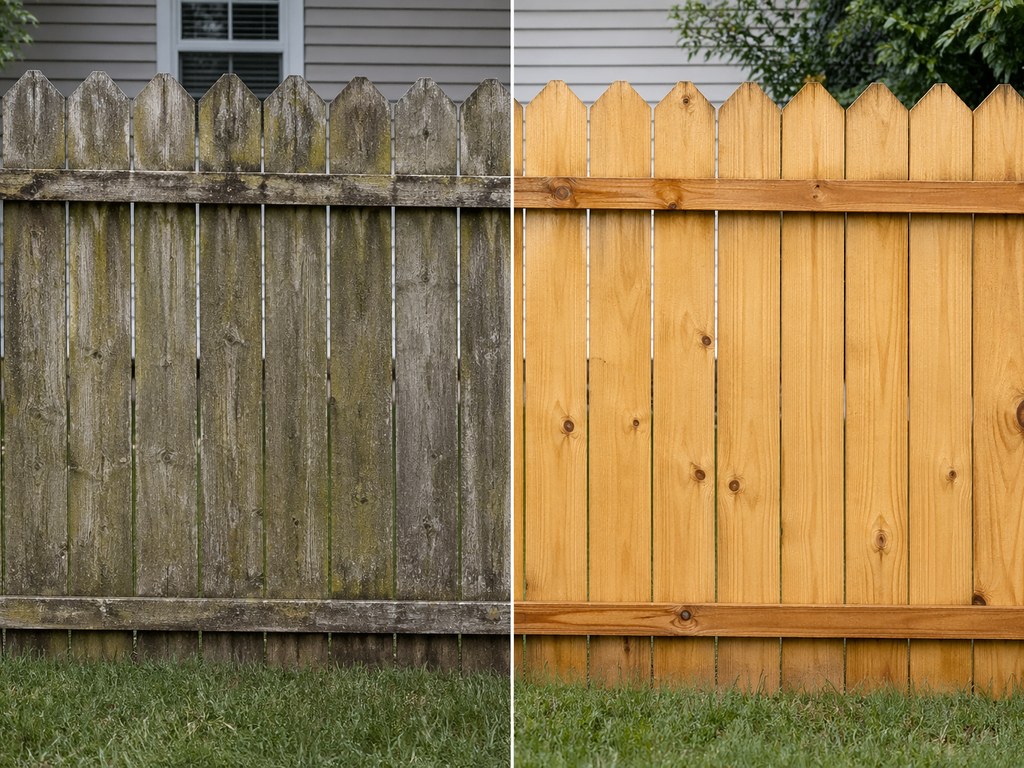
Blasting your fence with high pressure strips protective UV coatings on PVC and shreds natural wood fibers into splintered pulp. In South Florida, intense humidity and regular rain feed stubborn algae and mold, but gentle chemical cleaning lifts stains without surface damage. This guide shows you how to protect your property line, avoid HOA fines, and keep your fence pristine year-round.
The Constant Battle Against South Florida Moisture and Algae
Step into any backyard in Pompano Beach, Fort Lauderdale, or Coral Springs, and you'll spot the same issue within seconds. Fences that started out bright white or rich cedar turn olive green and soot-black. Our subtropical climate creates the ultimate greenhouse environment for Gloeocapsa magma, mildew spores, and green algae. High humidity keeps fence surfaces damp for hours after sunrise, while afternoon thunderstorms soak the pickets almost daily during the summer months.
Beyond simple plant growth, South Florida brings two other surface destroyers. Coastal salt air settles onto pickets across eastern Broward communities, leaving a sticky film that traps airborne dust and pollen. Meanwhile, inland neighborhoods in areas like Davie or Southwest Ranches frequently run shallow irrigation wells. The dissolved iron in that water hits warm fence panels and oxidizes, baking harsh orange rust stains right into the grain. When homeowners try to scrub these layers off with harsh scrub brushes or blast them with high pressure, they often cause permanent structural damage. That is why choosing a specialized approach like professional fence cleaning makes such a big difference for your home's curb appeal and longevity.
Why Raw Pressure Destroys Vinyl and Wood Fences
The biggest misconception we hear from homeowners is that pressure washing means cranking the machine up to maximum force and blasting dirt away. High pressure water is an abrasive cutting tool. Commercial pressure washers push water out at 3,000 to 4,000 pounds per square inch (PSI). At that intensity, water can slice right through soft pine, etch lines into hard vinyl, and leave permanent swirl marks called zebra striping.
Vinyl fences rely on a thin, factory-extruded outer layer packed with UV inhibitors. These chemical inhibitors prevent Florida's punishing sunlight from making the PVC brittle and yellow. When you attack a panel with a narrow red or yellow pressure tip, you strip that outer layer away. You leave behind microscopic pores and rough grooves. Those new pores act like velcro for fresh algae, which means your fence turns green twice as fast the next time around.
Wood fences suffer an even worse fate under intense pressure. Softwoods like pressure-treated pine, cypress, and cedar have soft summerwood rings between harder grain lines. Blasting wood with high pressure tears the soft fibers right out of the board. This creates a fuzzy, splintered texture known in the trade as wood furring. Once wood fibers raise like that, paint or stain won't adhere properly, and moisture penetrates deep into the board, triggering premature rot. If you also maintain outdoor living spaces, you know delicate surfaces demand care, much like what we outline in our guide on composite deck cleaning dos and donts for Florida homes.
The Safe Soft Wash Method to Clean Vinyl Fence Panels
To clean vinyl fence surfaces properly, professional exterior cleaners rely on chemistry rather than mechanical force. This technique is called soft washing. Instead of blasting dirt, you apply a targeted, biodegradable cleaning solution at low pressure, allow the chemicals to neutralize the organic spores, and then rinse the surface with gentle garden hose pressure.
A proven homeowner recipe starts with water mixed with sodium hypochlorite (standard pool chlorine) and a splash of laundry detergent or specialized surfactant. The surfactant breaks surface tension so the cleaning mix clings to vertical vinyl pickets instead of running off into the grass immediately. A mild mix running around one to two percent active chlorine kills algae, lichen, and mildew down to the roots in under ten minutes.
Always pre-wet your landscaping before spraying any cleaning solution. Soak nearby sod, hibiscus bushes, and palm roots with fresh water so they cannot drink up the cleaning solution. Spray your cleaning mix from the bottom of each panel up to the top to prevent uneven drip streaks. Let it dwell for seven to ten minutes until you watch the green and black mold turn translucent or light brown. Finally, rinse thoroughly from the top down using a wide fan tip or a standard garden nozzle. If you want to skip the chemical mixing and equipment hauling, you can book a free quote and let our crew handle the job.
Restoring Weathered Wood Fences Without Shredding the Boards
Cleaning a wood fence requires a totally different chemical playbook than vinyl. While a light bleach mix sanitizes wood, applying strong bleach directly to dry cedar or pine breaks down lignin, the natural glue that holds wood fibers together. That leaves boards looking bleached out, fuzzy, and unnaturally white.
Instead, wood restoration involves two distinct steps, cleaning and brightening. First, apply an oxygen-based cleaner like sodium percarbonate dissolved in warm water, or a mild alkaline wood wash. Sodium percarbonate gently lifts gray, oxidized wood cells, airborne soot, and surface mold without burning the wood. Use a low-pressure pump sprayer to saturate the pickets, let it dwell for fifteen minutes, and brush stubborn spots with a soft-bristled truck wash brush.
Second, rinse with very low pressure, staying under 800 PSI with a wide 40-degree white tip, keeping the wand at least twelve inches away from the grain. While the wood is still damp, apply an oxalic acid solution. Oxalic acid acts as a wood brightener. It neutralizes the alkaline cleaner, drops the pH back to wood's natural acidic state, and lightens dark gray tannins back to a vibrant golden tone. Once the fence dries completely for forty-eight hours, it's ready for a quality penetrating oil stain to lock out Florida rain.
Tackling Tough Irrigation Rust and Well Water Stains
If your home sits in western Broward County near Plantation, Weston, or Sunrise, your fence probably doesn't just have green algae. It likely sports a heavy band of dark orange or yellow rust along the bottom three feet. This happens when in-ground sprinkler heads spray water pulled from shallow Florida aquifers containing high levels of dissolved ferrous iron.
Chlorine and standard pressure washing will not touch irrigation rust. In fact, spraying bleach on iron stains can oxidize the metal further, turning light orange marks into dark, permanent rust rings. To remove iron stains from vinyl or wood, you need an acid-based cleaner such as oxalic acid, citric acid, or a dedicated rust remover containing phosphoric acid.
Apply the rust treatment directly to dry panels using an acid-rated pump sprayer. You will see the orange color vanish within two to three minutes as the acid reacts with the iron molecules and converts them into water-soluble compounds. Rinse the panel thoroughly with fresh water before the chemical dries in the hot Florida sun. Protect concrete footers and nearby paver walkways, as acid overspray can etch unsealed decorative surfaces.
Five Mistakes Broward Homeowners Make When Washing Fences
We see well-meaning property owners damage their boundaries every weekend across South Florida. Avoiding these five common blunders will save you hundreds of dollars in picket replacements and landscape repairs.
First, using zero-degree pencil tips. That red nozzle shoots a laser-thin stream of water that gouges vinyl instantly and punches holes through weathered pine boards. Always stick with wide fan tips.
Second, ignoring landscape protection. If you spray cleaning chemicals without soaking your grass and shrubs first, you will leave scorched, yellow patches of St. Augustine grass along your entire fence line. Keep a garden hose running on your plants before, during, and after cleaning.
Third, cleaning in direct, midday Florida sunlight. When the afternoon sun beats down on white PVC panels, cleaning chemicals dry within two minutes. Dried chemicals leave chalky chemical films that are difficult to buff out. Always work in the early morning or clean the shaded side of the property first.
Fourth, spraying bleach on galvanized or aluminum fence hardware. Strong chlorine oxidizes metal hinges, gate latches, and screws, leaving black streaks and causing premature rusting. Rinse all hardware immediately with fresh water.
Fifth, letting debris pile up at the base of the fence. Leaves, fallen palm fronds, and dirt dams trap moisture against bottom pickets, accelerating rot and wood rot. Clean gutters and clear drainage around your perimeter regularly, keeping in mind the signs gutters need cleaning and why waiting costs you.
Expected Costs and Maintenance Schedules for South Florida Fences
Staying ahead of HOA violation notices in Broward County requires a consistent schedule. In our climate, a brand-new or freshly cleaned vinyl fence will begin showing subtle green algae spotting along shaded north and east exposures within twelve to eighteen months. Wood fences, especially unsealed pine, attract mold even faster.
For most homes across our areas served, scheduling a professional fence wash every twelve to eighteen months keeps the property spotless and prevents stains from bonding deeply into the material. If your property features mature oak trees or dense ficus hedges casting constant shade, you may need a light wash once every year right before hurricane season begins.
Professional fence cleaning pricing depends on total linear footage, fence height, accessibility, and the presence of severe irrigation rust. Basic soft washing for a standard residential vinyl fence typically runs starting at $150 for smaller perimeter enclosures, or roughly $1.50 to $2.50 per linear foot for comprehensive two-sided treatments. Heavy iron stain removal or two-step wood restoration involves specialized chemistry and slightly higher material costs. You can call our team at +1 754-253-5827 for a fast, hassle-free quote over the phone.
Wrapping up
Keeping your perimeter fencing clean doesn't require dangerous pressure levels or hours of backbreaking scrubbing. By matching the right low-pressure cleaning solutions to your specific fence material, you can strip away thick South Florida algae, salt residues, and sprinkler rust without risking costly surface damage. If you would rather let licensed professionals protect your investment and keep your HOA happy, contact Coastal Surface Experts today for your free, no-obligation estimate.