
Hotel Exterior Cleaning Standards for Broward Resorts
October 25, 2026
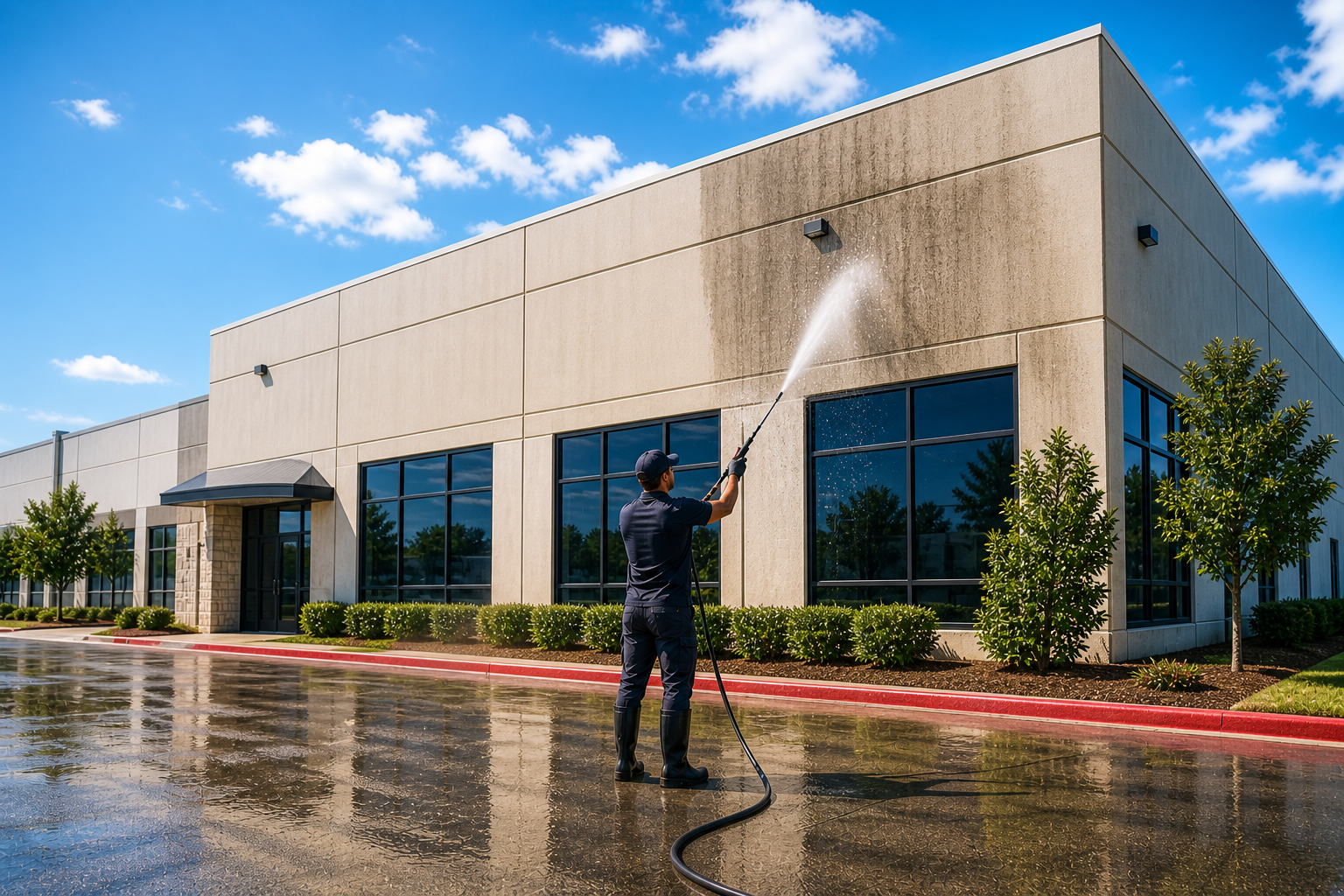
High humidity, salt air, and heavy foot traffic demand strict standards for hotel exterior cleaning across Broward County. Keeping resort surfaces free of algae, salt crust, and slip hazards safeguards guest satisfaction and protects valuable capital assets. Here is how South Florida hospitality managers keep their properties spotless year round.
The Harsh Coastal Elements Facing Broward Hospitality Properties
Running a hotel or resort in Fort Lauderdale, Hollywood, or Pompano Beach means battling persistent environmental wear. Ocean breezes push airborne salt inland daily, coating windows, railings, and stucco facades. When you mix that salt film with tropical humidity and daily afternoon downpours, you get a breeding ground for black algae and mold. Gloeocapsa magma spreads rapidly across flat tile roofs, parapets, and exterior corridors, creating dark streaks that ruin your curb appeal before guests even check in.
First impressions make or break guest reviews. Travelers book rooms expecting a pristine paradise, not discolored stucco or dingy porticos. Beyond cosmetic flaws, neglected salt and moisture degrade protective paint coatings, corrode metal fixtures, and cause concrete spalling over time. Proper commercial building washing strips away corrosive marine deposits and fungal growth before they cause costly structural damage. Meeting hospitality standards requires proactive defense rather than waiting for guest complaints to alert you to surface decay.
Critical Exterior Zones That Demand Daily and Weekly Attention
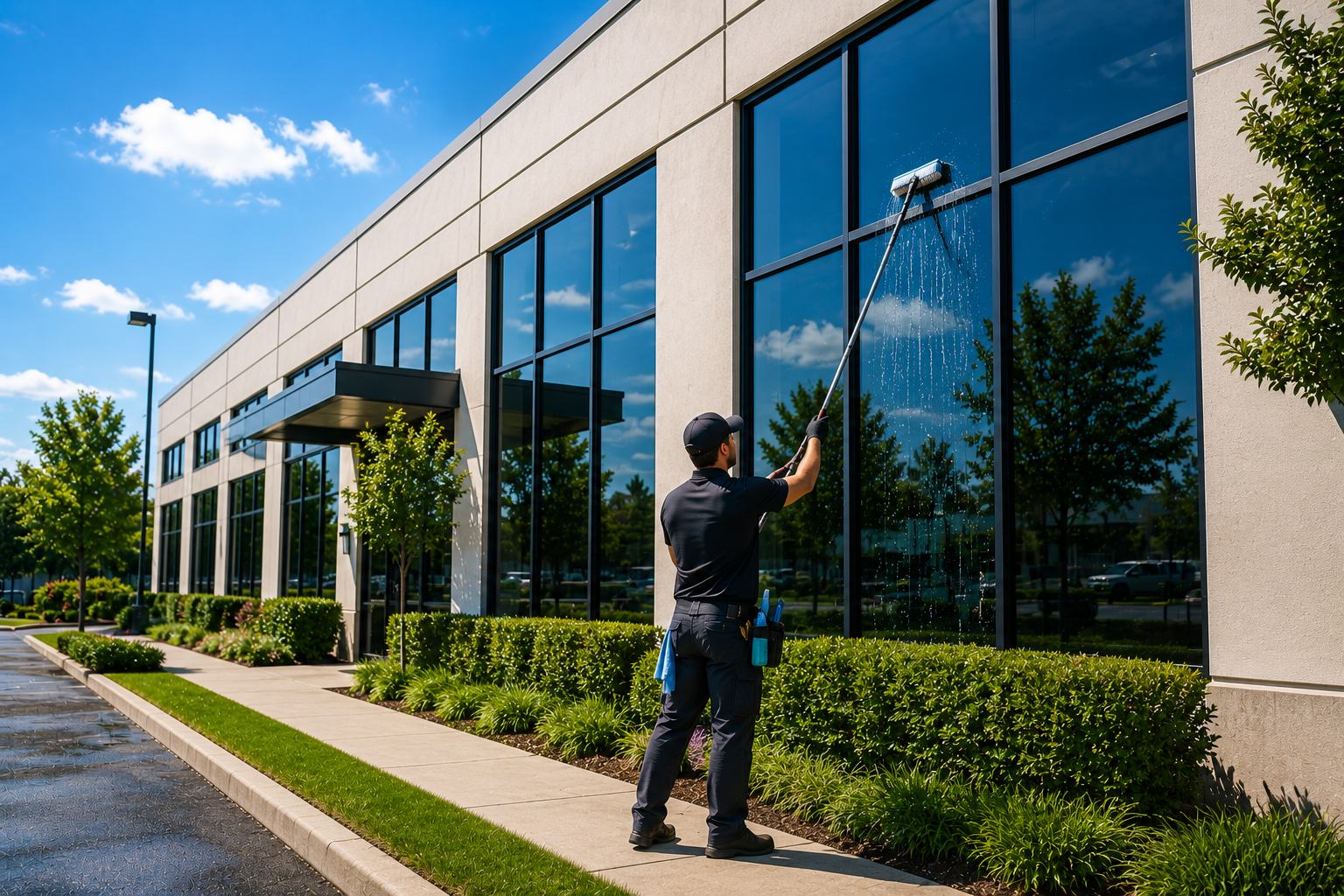
Resort properties feature distinct zones that face different types of grime. Entryway porte-cochères absorb constant exhaust fumes, motor oil drops, and tire marks from rideshares and valet operations. High-traffic walkways and pool decks accumulate spilled tropical drinks, sunscreens, and dropped food. When wet, algae on pool pavers creates a serious hazard. Following established methods to reduce slip and fall risk cleaning protects guests while shielding your resort from liability claims.
Balconies and outdoor dining terraces also require strict sanitization. Oceanfront balconies trap salt spray that etches glass railings and discolors exterior furniture. Service areas like luggage staging bays and loading docks need dedicated degreasing to prevent staff from tracking stains into guest lobbies. If your facility manager needs an immediate walkthrough, call us at +1 754-253-5827 for a same-day estimate and on-site evaluation.
Scheduling Exterior Cleanings Without Disrupting Guest Sleep
Guest comfort dictates everything in the hospitality industry. You cannot run loud commercial pressure washers outside luxury suites at dawn, nor can you block active guest walkways during mid-afternoon pool hours. Striking the right balance requires detailed logistics and strategic timing. Smart operators coordinate work windows based on guest movement patterns and property layouts.
Evaluating night vs day commercial cleaning helps commercial managers choose the right schedule for specific zones. We often wash porte-cochères, parking structures, and loading areas during late-night windows when foot traffic drops to zero. Conversely, balcony cleanings and exterior corridor washdowns work best during mid-day turnover windows when guests are at the beach or dining out. Clear communication between the cleaning crew and the front desk ensures rooms directly adjacent to active work zones remain vacant or properly notified.
Why In-House Maintenance Staff Struggles with Large-Scale Washing
Many hotel general managers ask their on-site engineering crews to maintain exterior surfaces using consumer-grade pressure washers. While this seems budget-friendly on paper, it often backfires. In-house workers already juggle guest room work orders, pool chemistry, and air conditioning maintenance. They rarely have the time, commercial equipment, or safety certifications needed to clean multi-story buildings or expansive parking structures.
Small electric pressure washers take ten times longer to clean flat concrete, often leaving visible wand lines and zebra striping. More dangerously, untrained personnel often crank up water pressure on delicate surfaces. Blasting high pressure directly into exterior insulation and finish systems (EIFS) or decorative stucco can gouge the substrate, blow out caulking seals, and force water inside wall cavities. When water penetrates your building envelope, hidden black mold follows quickly. If you want to take that massive workload off your staff, book a free quote and we'll handle it with professional efficiency.
Safe Washing Techniques for Delicate Architectural Surfaces
Modern South Florida resorts showcase complex architecture, from painted stucco and coral stone to fabric cabanas and glass curtain walls. Using the wrong wash technique destroys these materials. True hotel exterior cleaning relies heavily on soft washing rather than brute force. We apply specialized, biodegradable cleaning solutions at low pressure to kill algae, mold spores, and bacterial colonies at the root.
Adopting modern commercial soft washing preserves exterior paint warranties and keeps exterior sealants intact. The cleaning solutions do the heavy lifting, allowing us to rinse the surface with gentle water volume that won't damage weather seals. For horizontal flatwork like valet lanes, concrete garages, and brick paver courtyards, we pair hot-water surface cleaners with commercial degreasers to lift set-in automotive oils without etching the concrete.
Common Mistakes Hospitality Managers Make During Exterior Washdowns
The most frequent error we see on Broward properties is skipping regular surface maintenance until corporate inspections approach. Rushing to clean an entire resort three days before an audit leads to rushed work, damaged landscaping, and frustrated guests. Rushed teams often fail to pre-wet tropical foliage, allowing overspray to scorch delicate landscaping plants around entryways and pool surrounds.
Another common mistake is neglecting structured drainage during washdowns. Allowing grease-laden wastewater from kitchen staging doors or parking ramps to run directly into South Florida municipal storm drains violates local environmental ordinances. Professional contractors use wastewater recovery systems and storm drain berms to capture run-off, protecting local waterways and keeping your venue compliant with local regulations. Finally, failing to treat porous surfaces with microbial inhibitors guarantees algae will reappear within a few short weeks in our humid climate.
Budgeting and Frequency Standards for Broward Hospitality Properties
How often should you schedule hotel exterior cleaning? Coastal properties within two miles of the Atlantic Ocean need exterior window washing and entryway surface cleaning on a monthly schedule. Balconies, pool decks, and valet drives generally require quarterly maintenance, while full building envelope washes and parking garages stay clean on bi-annual or annual contracts.
Commercial cleaning investments vary based on square footage, building height, access requirements, and surface materials. Routine flatwork cleaning for boutique hotel entryways and pool areas often starts at $500 to $1,200 per service, while comprehensive exterior building soft washes for multi-story hospitality venues usually start at $2,500 to $5,000 and scale based on building footprint. To structure an effective procurement proposal, review our Property Manager Exterior Cleaning RFP Guide to align scope, safety requirements, and billing cadence accurately.
Wrapping up
Keeping a hotel or resort pristine across Broward County requires persistent care, proper equipment, and a deep understanding of South Florida coastal weather. Do not let salt air and black algae compromise your guest ratings or shorten the lifespan of your building materials. Request a free quote from Coastal Surface Experts today to build a custom exterior maintenance plan that keeps your resort welcoming and immaculate.