
HOA Cleaning Contract Guide and Scope Checklist in Broward
November 9, 2026
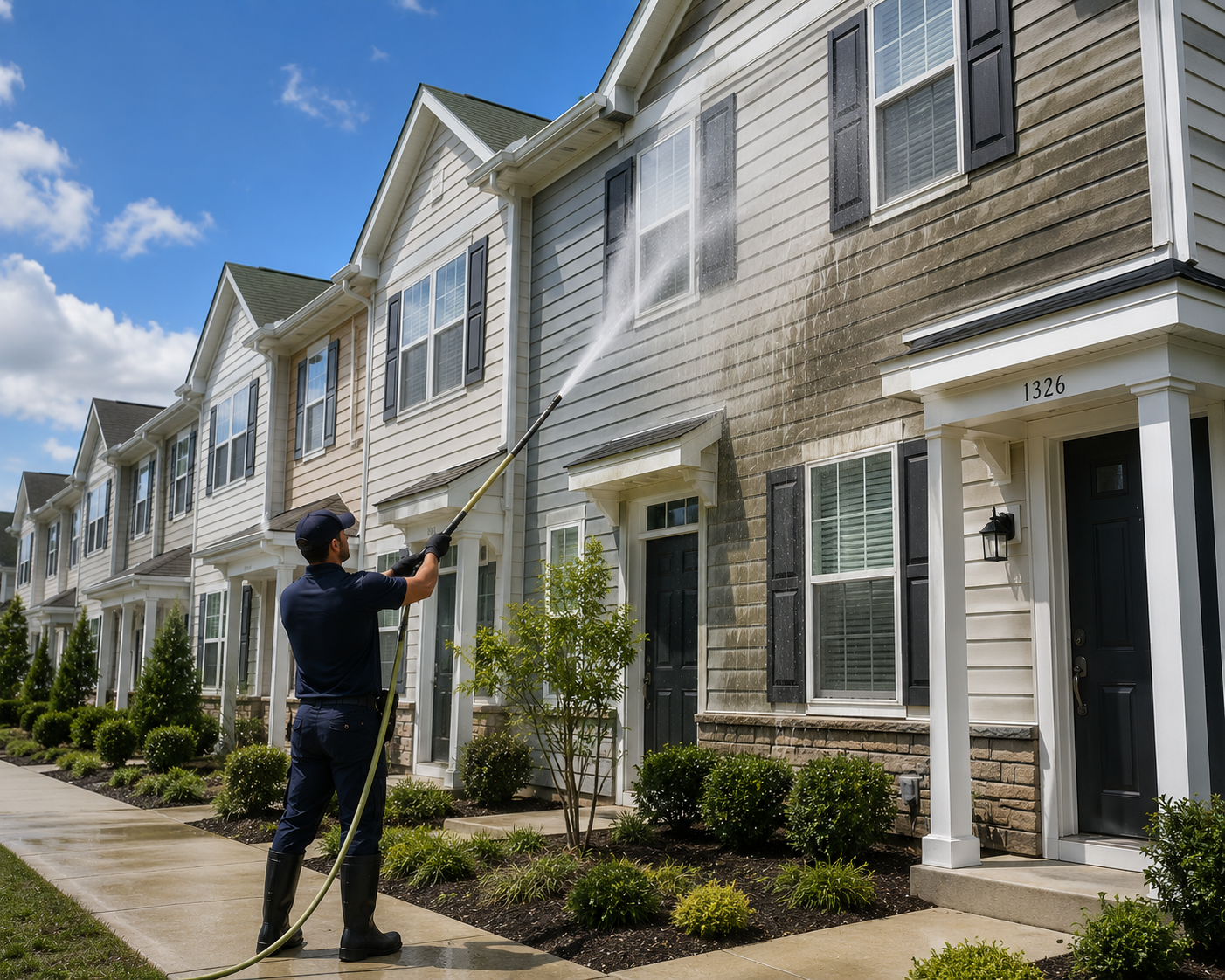
A well-defined HOA cleaning contract protects your community budget and preserves property values across Broward County. South Florida heat, humidity, and coastal salt air degrade concrete, stucco, and roofs faster than in other climates. Specifying exact cleaning methods, frequencies, and water recovery requirements keeps vendors accountable and prevents surface damage.
Why Vague HOA Cleaning Scopes Cause Headaches in Broward County
When property managers and board members write a vague request for proposals, they invite disputes. Simply asking for pressure washing once a year leaves too much open to interpretation. One contractor might blast your curbs with high pressure and strip the paint, while another skips perimeter walls entirely. In Broward County communities from Pompano Beach down to Hollywood, exterior surfaces take a relentless beating from moisture and heat. Without an exact scope, contractors cut corners on chemicals, water protection, and surface coverage.
A clear hoa cleaning contract spells out every square foot of common area property, the techniques required, and the expected standard of cleanliness. It eliminates finger-pointing during board meetings because everyone knows who is responsible for the pool deck pavers, the guardhouse roof, and the main entry monuments. If your current service agreement doesn't list exact surfaces and performance metrics, you're leaving your association vulnerable to surprise change orders and premature wear on expensive community assets.
South Florida Elements That Destroy HOA Common Areas
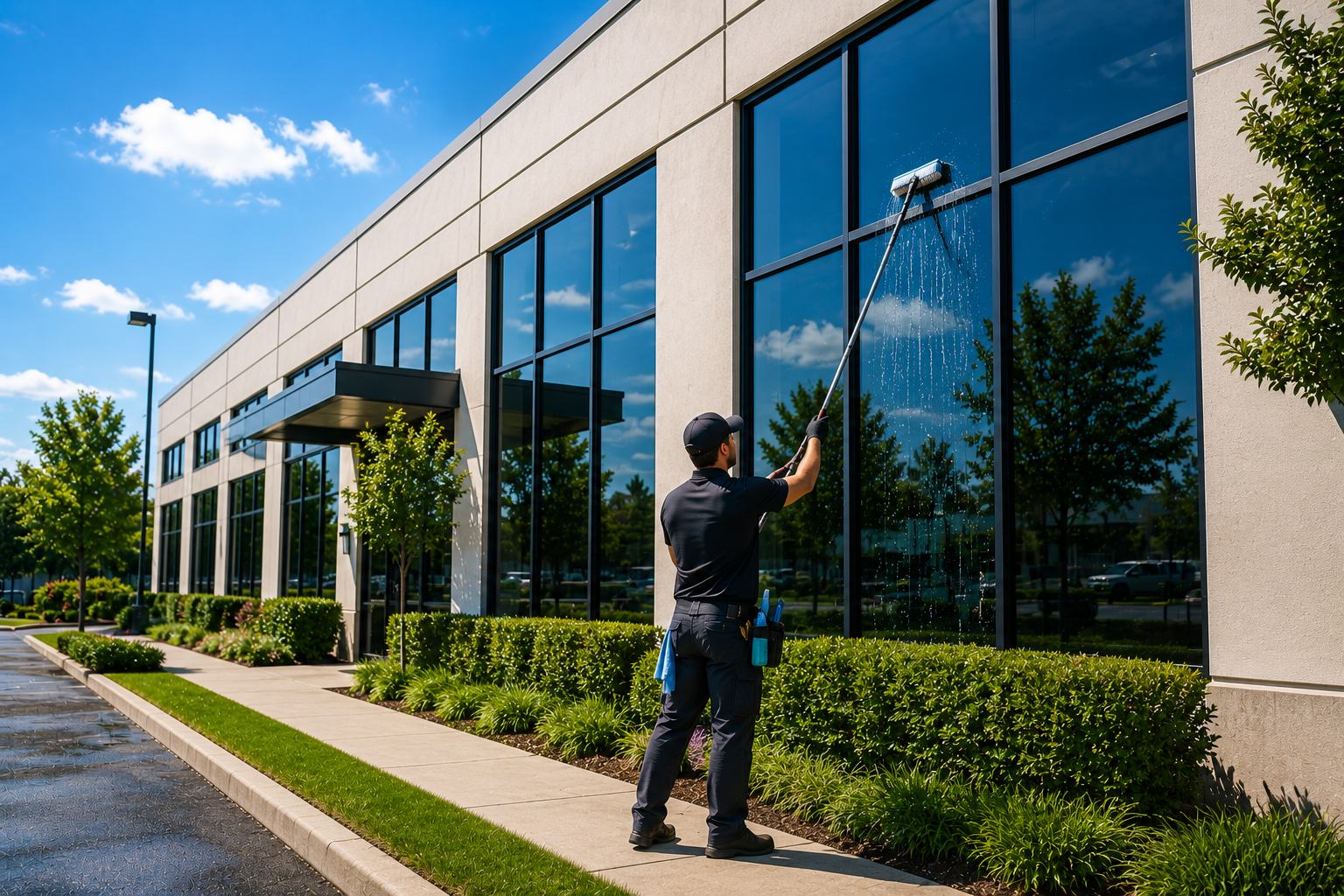
South Florida has a subtropical climate that creates unique maintenance headaches. Between June and November, daily summer thunderstorms saturate porous concrete sidewalks, stucco privacy walls, and tile roofs. That trapped moisture combined with 90-degree heat creates the perfect breeding ground for Gloeocapsa magma algae, mold, and black mildew. Within months, bright sidewalks turn slick and gray, creating immediate slip-and-fall liabilities for residents walking their dogs.
Along coastal strips in Fort Lauderdale and Lauderdale-by-the-Sea, airborne ocean salt settles on clubhouse fixtures, railings, and painted block walls. Salt crystals draw moisture out of paint coatings and speed up concrete spalling. Farther west in communities like Coral Springs and Davie, sprinkler systems running on shallow well water blast decorative precast signs and perimeter walls with iron-rich hard water, leaving stubborn rust stains. Your contract scope must account for these regional issues so your contractor applies proper neutralizing detergents rather than just blasting away with plain tap water.
Essential Surfaces to List in Your HOA Cleaning Contract Scope
Never assume a contractor knows what you want cleaned. Walk your property with a clipboard and categorize every common element before drafting your agreement. A comprehensive scope outlines clear boundaries between association responsibilities and individual homeowner lot lines.
Make sure your agreement specifies these core surface groups:
* Curbing and Gutters: Concrete curbs collect engine oil, street runoff, and tire marks that require hot water degreasing. * Sidewalks and Walking Trails: High-traffic pedestrian paths need consistent surface cleaning to remove slippery mold layers. * Clubhouse and Amenities: Pool decks, outdoor kitchens, tennis courts, and shade pavilions demand low-pressure chemical sanitization that protects furniture and sealers. * Entry Features: Gatehouses, call boxes, decorative fountains, and stone monuments represent your community image and require delicate detailing. * Perimeter and Retaining Walls: Miles of boundary walls catch street dust, sprinkler rust, and airborne fungal spores. * Shared Facilities: Dumpster enclosures and compactor pads need frequent sanitization. For operational guidance on handling waste areas, review our tips on dumpster pad cleaning for Deerfield Beach businesses which apply directly to multifamily waste enclosures.
If you want a professional eye to help evaluate your common grounds, call us at +1 754-253-5827 for an on-site property walkthrough.
Cleaning Methods and Pressure Limits That Protect Community Assets
One of the most expensive mistakes an association can make is allowing an untrained vendor to use extreme pressure on sensitive surfaces. High pressure strips the protective cream coat off poured concrete, gouges paver joints, and tears through exterior insulation and finish systems (EIFS). Your agreement should explicitly define when soft washing is required instead of mechanical pressure.
Soft washing uses dedicated low-pressure pumps running under 300 PSI combined with specialized, biodegradable algicides. It treats the root system of organic growth on tile roofs, painted stucco, and vinyl fences without driving water behind building flashing. High pressure surface spinners should be restricted to bare flatwork like concrete aprons and standard asphalt. For broad paved surfaces, pairing pressure washing with professional parking lot cleaning keeps vehicle bays free of unsightly oil stains. Require your contractor to submit technical data sheets for all cleaning solutions and confirm that their team rinses landscape turf thoroughly before, during, and after chemical applications.
Why DIY Maintenance Fails and What Professional Contractors Bring
Some cost-conscious HOA boards purchase a consumer-grade pressure washer from a big-box store and task their in-house maintenance technician with cleaning the community. While this seems like an easy way to save money on paper, it almost always costs more over time. A single maintenance technician with a four-gallon-per-minute machine takes weeks to clean a mile of neighborhood sidewalks, leaving visible zebra stripes and uneven patterns across the concrete.
Dedicated commercial rigs operate at eight to twelve gallons per minute with on-board water heaters and high-output chemical proportioners. Professional crews carry dedicated surface cleaners that cover ground ten times faster while maintaining uniform tip distance. More importantly, commercial vendors carry the required liability coverage. If an in-house worker falls from a ladder or etches $20,000 worth of imported travertine pool pavers, the association's master insurance policy takes the hit. If you'd rather skip the liability and equipment headaches, request a free proposal and we'll build a tailored commercial maintenance plan for your board.
How Coastal Surface Experts Handles Community Associations
At Coastal Surface Experts, we understand the politics and logistical hurdles that come with managing Broward County community associations. We don't just show up and start spraying water. We coordinate detailed phase maps and staging schedules that you can distribute to homeowners well in advance, minimizing parking disruptions and gated access conflicts.
Our equipment utilizes quiet industrial engines to comply with local municipal noise ordinances in residential neighborhoods. We bring self-contained water tanks, specialized filtration systems, and eco-friendly detergents formulated specifically for coastal humidity and salt crusting. Our team flags delicate irrigation heads, bags outdoor electrical outlets, and wets surrounding landscape plants to prevent chemical burn. When board members inspect our work, they find crisp edges, clean curb faces, and zero wand marks.
Common Contract Mistakes That Blow Association Budgets
Boards often fall into predictable traps when reviewing competing bids. The lowest dollar bid usually hides critical omissions that backfire later in the fiscal year. The most frequent pitfall is failing to mandate proof of commercial general liability insurance and workers' compensation coverage. If an uninsured subcontractor slips on a wet pool deck, your association can be drawn into an expensive personal injury lawsuit.
Another major oversight is omitting water supply terms. Does the vendor connect to common area hydrants, clubhouse spigots, or bring their own bulk water supply? Clarifying utility access avoids billing surprises on the community water meter. Additionally, your scope must define clear standards for quality control. Establish a forty-eight-hour punch list window where the contractor must return to treat recurring organic shadows or wash down dirty splashback on garage doors at no additional charge.
Service Frequency and Cost Expectations for Broward HOAs
Developing an annual maintenance calendar keeps your community clean year-round rather than letting it deteriorate into an eyesore before the annual budget meeting. In Broward County, sidewalk networks and pool decks should be serviced every six months to prevent slip hazards during wet summer months. Gated entry monuments and clubhouse exterior walls usually need annual soft washing, while tile and metal roofs generally stay pristine for twenty-four to thirty-six months following a deep chemical treatment. For multi-unit layouts, reviewing our guide on apartment complex pressure washing schedules in Weston provides helpful benchmarking for traffic patterns and cleaning cadences.
Pricing for commercial association work depends on linear footage, access difficulty, and water availability. Routine sidewalk and curb cleaning packages generally see pricing starting at $1,500 for smaller gated communities, while full-property annual contracts covering clubhouses, boundary walls, and extensive pedestrian paths typically run higher depending on acreage. Structuring your contract as a multi-year service agreement locks in pricing and guarantees priority scheduling before major holidays and hurricane season.
Wrapping up
Drafting an airtight scope of work is the smartest way to keep your Broward County community clean, safe, and financially protected. When your vendor knows exactly what surfaces to wash, what equipment to use, and how often to service your grounds, your board avoids disputes and costly repairs. Contact Coastal Surface Experts today to discuss your community's maintenance calendar and book a free quote for your upcoming board review.