Concrete Sealing After Pressure Washing: Is It Really Worth It?
October 12, 2026
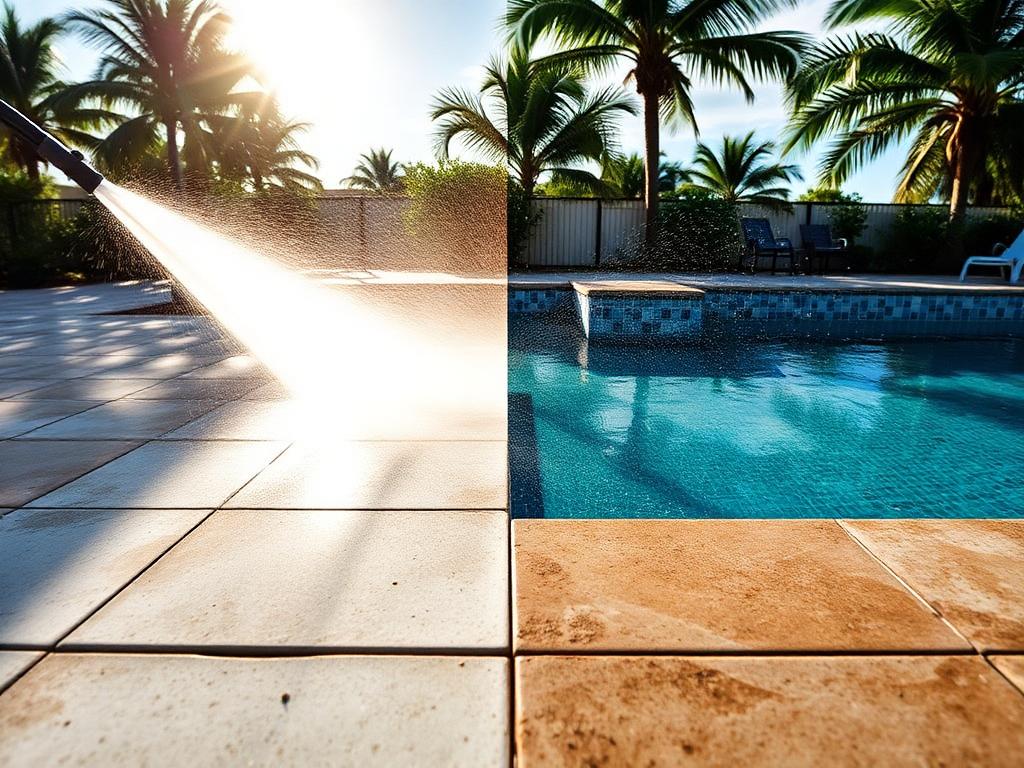
After you get your concrete surfaces looking spotless with a good pressure wash, you might wonder if going the extra mile with concrete sealing is necessary. In Broward County's humid, sun-drenched climate, sealing isn't just a luxury; it's an investment that protects your property, extends the life of your concrete, and keeps it looking clean longer. We'll walk you through why it matters, what to expect, and if it's the right choice for your Pompano Beach home or commercial property.
Broward's Concrete Challenge The Local Environment
Living in Broward County, we're blessed with year-round sunshine, but that beautiful climate comes with its own set of challenges, especially for exterior surfaces like your concrete driveways, walkways, and pool decks. The combination of intense UV rays, heavy rains, constant humidity, and salt air from the ocean creates a perfect storm for concrete deterioration. You'll often see surfaces quickly becoming breeding grounds for mold, mildew, and algae, especially in shaded areas or after a storm. This isn't just an aesthetic problem; these growths can break down your concrete over time, making it porous and vulnerable to more serious damage. Think about your driveway in Fort Lauderdale or your pool deck in Hollywood, constantly exposed to these elements. It's tough on concrete, and without protection, it won't stay clean for long.
Why Pressure Washing Alone Isn't Always Enough for Concrete
Pressure washing does an incredible job of cleaning your concrete. It blasts away years of dirt, grime, oil stains, algae, and other build-ups, making your surfaces look almost new again. It's an essential first step for maintaining your home's curb appeal, and we often recommend it as part of our residential services package. However, pressure washing doesn't protect the concrete itself from future damage. Your concrete is naturally porous, meaning it has tiny holes and capillaries that absorb water, oils, and other contaminants. Once these pores are clean, they're wide open to absorb new invaders. That's where sealing comes in. Without a protective barrier, your newly cleaned surfaces will quickly start to show dirt, stains, and organic growth again, especially with our South Florida humidity. You might find yourself needing another driveway cleaning sooner than you'd like if you skip the sealing step.
The Real Benefits of Concrete Sealing in South Florida
So, is concrete sealing really worth it after pressure washing? For homeowners and property managers in Broward County, we'd say yes, absolutely. Here's why. First, sealing creates a barrier that prevents moisture, oil, chemicals, and organic matter like algae and mold from penetrating the concrete's surface. This means your surfaces stay cleaner for much longer. You won't have to deal with unsightly green or black patches reappearing within weeks or months. Secondly, it protects against the harsh UV rays that can fade and weaken concrete over time, preventing spalling and cracking. Third, a sealed surface is much easier to clean and maintain. Spills wipe up easily, and general dirt doesn't adhere as stubbornly. Finally, sealing enhances the appearance of your concrete, often giving it a richer, more vibrant look, whether you choose a matte or a subtle sheen finish. It's a great way to protect your investment and keep your property looking its best, especially when you're thinking about the long-term. If you'd rather skip the ladder and the heavy equipment, book a free quote and we'll handle your concrete care from start to finish.
Different Types of Concrete Sealers and What to Look For
When it comes to concrete sealers, you've got a few main types, each with its own benefits. Topical sealers form a protective film on the surface. These can be acrylic, epoxy, or urethane-based. Acrylics are popular for their affordability and ability to enhance color, often providing a 'wet look.' Epoxies and urethanes are more durable and chemical-resistant, making them great for high-traffic areas or garages. Penetrating sealers, on the other hand, soak into the concrete pores, chemically reacting to form a barrier within the concrete itself. These typically don't change the concrete's appearance, offering a more natural look while providing excellent protection against water and salt. Given Broward's climate, we generally recommend penetrating sealers for their long-lasting protection against moisture intrusion and freeze-thaw cycles (though freezing is rare here, the constant wet-dry cycles are tough). When choosing, always consider the concrete's location, the desired finish, and the level of traffic it will endure. For expert advice on the best sealer for your Pompano Beach home, don't hesitate to give us a call at +1 754-253-5827.
DIY vs Professional Concrete Sealing What You Should Know
You might be tempted to tackle concrete sealing yourself after watching a few online videos, and while it's technically a DIY-able project, there are significant advantages to hiring a professional. Proper surface preparation is crucial; any lingering dirt or moisture can compromise the sealer's adhesion and effectiveness. Professionals like us have commercial-grade pressure washing equipment and specialized cleaning agents to ensure a truly pristine surface. We also know how to apply the sealer evenly and at the correct thickness, avoiding common issues like streaking, bubbling, or peeling. Uneven application can leave your concrete looking blotchy or unprotected in spots. Plus, we're experienced with different sealer types and can recommend the best product for your specific concrete and the unique challenges of the South Florida environment, whether it's for a residential property or a commercial space. Misapplication can lead to having to strip and reapply, which is a costly and time-consuming mistake. It's often more efficient and effective to rely on the expertise of Coastal Surface Experts for this kind of work, ensuring a flawless and long-lasting finish.
Common Mistakes to Avoid When Sealing Concrete in Florida
When sealing concrete, especially in our unique Florida climate, there are a few common pitfalls you'll want to steer clear of. First, applying sealer to a wet or dirty surface is a big no-no. The concrete absolutely must be bone dry and thoroughly clean before sealing. We generally recommend allowing at least 24-48 hours after pressure washing for drying, though our humidity can sometimes extend that. Second, applying too much sealer or applying it too thickly can lead to bubbling, peeling, or a hazy, milky appearance. Less is often more, and multiple thin coats are better than one thick one. Third, picking the wrong type of sealer for your concrete and its exposure is another frequent error. For instance, using an indoor-specific sealer outdoors will quickly fail. Finally, ignoring weather conditions is critical. Applying sealer in direct, intense sunlight can cause it to dry too quickly, leading to unevenness. Likewise, applying it when rain is expected within 24-48 hours can wash away the uncured sealer. Always check the forecast and aim for mild, overcast days if possible. Our team considers all these factors to ensure a perfect application every time, giving your concrete the best protection possible. You can check out more of our expert tips to avoid other common exterior cleaning mistakes.
Understanding the Cost and How Often to Seal Your Concrete
The cost of concrete sealing varies based on several factors: the size of the area, the type of sealer chosen, and the condition of the concrete. Generally, professional concrete sealing services in Broward County might start at around $0.50 to $2.00 per square foot, but this is a broad estimate. High-quality penetrating sealers or those designed for heavy traffic might be on the higher end of that range. Always get a detailed quote tailored to your specific project. As for how often you should seal, it really depends on the sealer type and the amount of traffic and sun exposure your concrete gets. Topical acrylic sealers usually need reapplication every 1-3 years. More durable penetrating sealers can last 5-10 years or even longer. For driveways and heavily used pool decks in areas like Coral Springs or Miramar, we recommend checking your sealer's effectiveness every couple of years. A simple test involves sprinkling water on the surface; if it beads up, your sealer is still working. If it soaks in, it's time for a fresh coat. Regular maintenance, including a good concrete cleaning and sealing schedule, is key to preserving your property's value and appearance in South Florida.
Wrapping up
Investing in concrete sealing after a thorough pressure wash is a smart move for any homeowner or commercial property manager in Broward County. It's not just about aesthetics; it's about protecting your property from our tough Florida environment, extending the life of your concrete, and reducing future maintenance. If you're ready to give your concrete the long-lasting protection it deserves, reach out to us at Coastal Surface Experts. We're happy to provide a detailed, no-obligation quote and answer any questions you have. Contact us today for your free quote and let's get your surfaces protected.