
Clean Wood Deck Pressure Washer: A Guide for Broward Homeowners
September 5, 2026
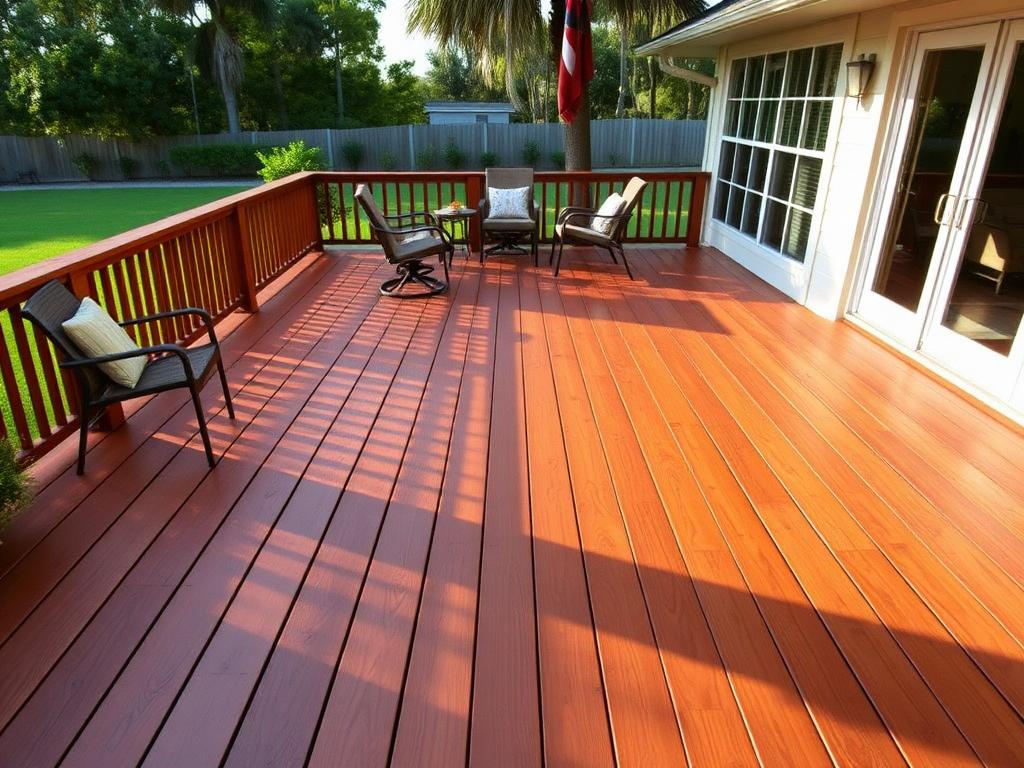
Cleaning your wood deck in Broward County requires a careful approach, especially with South Florida's humidity and algae. We'll show you how to use a pressure washer safely to avoid damage, tackle common issues like mold, and keep your deck looking great. Proper technique and cleaners are key to preserving your deck's lifespan.
Why Your Broward Wood Deck Needs Regular Cleaning
Living in South Florida means embracing the humidity, the salt air, and the lush, tropical environment. Unfortunately, these conditions are also perfect for organic growth like algae, mold, and mildew, which love to take root on your wood deck. You'll often see this as a green or black film, making your beautiful outdoor space look dingy and even dangerous due to slipperiness. Beyond aesthetics, this organic growth actually feeds on the wood, accelerating its decay. Left unchecked, it can lead to rot, weakening the structure, and costly repairs down the line. Regular cleaning isn't just about curb appeal; it's essential for maintaining the integrity and safety of your investment. Especially during our long wet seasons, you'll find these issues pop up quickly. We understand the specific challenges homeowners face here in places like Pompano Beach, Fort Lauderdale, and Hollywood, because we live and work here too.
Understanding Your Wood Deck Before You Start

Before you even think about grabbing a pressure washer, it's crucial to understand your deck's material and condition. Is it treated pine, cedar, composite, or something else? Different wood types have varying densities and react differently to cleaning agents and pressure. Older, more weathered decks are often more delicate than newer ones. You'll want to inspect your deck for loose boards, protruding nails, or damaged areas. Repair any structural issues before cleaning; otherwise, the pressure from the washer could worsen the damage. Also, make sure to remove all furniture, planters, and other items from the deck surface. Cover nearby plants and shrubs with tarps to protect them from cleaning solutions, and consider covering delicate outdoor lighting fixtures too. This preparation step is vital to preventing accidents and protecting your property during the cleaning process.
The Right Tools for a Gentle, Effective Clean
When cleaning a wood deck, the right tools make all the difference, especially if you're using a pressure washer. For wood, you're looking for *low pressure* and wide spray angles. A pressure washer with adjustable PSI (pounds per square inch) is ideal, allowing you to stay in the range of 500-1200 PSI for most woods. Anything higher, and you risk etching or splintering the surface. You'll want a 25-degree or 40-degree fan tip – never a zero-degree or rotating tip on wood! These narrow, high-pressure streams are perfect for concrete but will absolutely ruin your deck. Beyond the machine, you'll need a good quality, biodegradable deck cleaner. Look for formulas specifically designed for wood that can tackle mold, mildew, and algae without harsh chemicals that might stain the wood or harm your landscaping. Some homeowners also like to use a soft-bristled brush for stubborn spots before the final rinse. If you're feeling unsure about selecting the right equipment or technique, remember that professional pressure washing services use specialized gear and expertise to ensure your deck gets the care it deserves.
Step-by-Step, How to Clean a Wood Deck Pressure Washer Safely
Here's the detailed breakdown for safely cleaning your wood deck:
1. Preparation is Key: As we mentioned, clear the deck, sweep away loose debris, and protect surrounding vegetation. 2. Apply Deck Cleaner: Dilute your chosen wood-specific deck cleaner according to the manufacturer's instructions. Apply it evenly across a small section of your deck using a pump sprayer, working your way across the entire surface. Let the cleaner sit for the recommended dwell time (usually 10-15 minutes), allowing it to break down the organic growth. Don't let it dry on the wood! 3. Gentle Scrub (Optional): For really tough stains or ingrained algae, a soft-bristled brush can help work the cleaner deeper into the wood grain. This step can save you from needing higher pressure later. 4. Pressure Wash with Care: Attach your wide-angle (25-degree or 40-degree) spray tip. Start with the pressure as low as possible, around 500-800 PSI, and slowly increase it only if necessary, not exceeding 1200 PSI. Hold the wand at a consistent distance (about 12-18 inches) from the deck surface and use smooth, overlapping strokes, always following the wood grain. Never hold the nozzle in one spot; this will gouge the wood. Work in small sections, rinsing thoroughly as you go to prevent streaking. 5. Rinse Thoroughly: After cleaning, rinse the entire deck surface completely with clean water, ensuring all traces of cleaner are removed. 6. Allow to Dry and Inspect: Let your deck dry completely, which can take a day or two in our humid climate. Then, inspect for any missed spots or areas that might need a touch-up. If you'd rather skip the hassle and ensure a professional result, book a free quote and we'll handle it.
Common Mistakes to Avoid When Pressure Washing Wood
Even with good intentions, it's easy to make mistakes that can permanently damage your wood deck. The most common error is using too much pressure. We've seen countless decks in Broward County that look fuzzy, scarred, or splintered because someone used a zero-degree tip or cranked the PSI too high. Another mistake is holding the nozzle too close to the surface or lingering in one spot. This creates visible etch marks that are incredibly difficult to repair. Using the wrong cleaning solution is another pitfall; harsh chemicals can discolor the wood or strip away its natural oils. Forgetting to protect surrounding plants is also common, leading to withered shrubs or discolored foliage. Finally, not letting the deck dry completely before applying a new stain or sealant can trap moisture, which will lead to mildew or peeling finishes. Many of these issues are preventable with proper knowledge and equipment, and if you're not confident in your DIY skills, a professional deck cleaning service is a smart investment.
DIY vs. Hiring a Professional for Your Deck Cleaning
You might be wondering if you should tackle this project yourself or call in the experts. For minor cleaning on a , well-maintained deck, a DIY approach with the right tools and knowledge can work. However, there are significant advantages to hiring a professional, especially in Florida. Pros like Coastal Surface Experts have specialized, commercial-grade equipment that allows for precise pressure control and efficient application of cleaners. We're experienced with various wood types and know how to adjust techniques for older or more delicate decks. We also use professional-grade, environmentally safe cleaning solutions that are more effective at killing stubborn algae and mold that thrive in our climate. Plus, you don't have to worry about buying or renting equipment, spending your weekend working, or risking damage to your valuable property. Think of it this way: you wouldn't use a kitchen knife to cut a steak if you had a steak knife, right? The right tool for the right job applies here too. If you're a homeowner in Fort Lauderdale or across our areas served, consider calling us. Our team knows how to get your deck spotless without the risks. Call us at +1 754-253-5827 for a same-day estimate.
Protecting Your Clean Deck, Sealing and Maintenance
Once your wood deck is sparkling clean, the job isn't quite finished. To truly protect your investment and extend its life, you'll want to apply a good quality sealant or stain. This creates a barrier against moisture, UV rays, and future organic growth. In Broward County, where intense sun and heavy rains are common, a quality sealant is crucial. It helps prevent warping, cracking, and splintering, and makes future cleanings much easier. You'll typically want to reseal your deck every 1-3 years, depending on the product and how much exposure your deck gets. Always ensure the deck is completely dry before applying any sealant. For ongoing maintenance, regular sweeping to remove leaves and debris, and a quick rinse with a garden hose now and then, can go a long way in keeping your deck looking its best between professional cleanings. This also helps prevent the rapid regrowth of algae and mildew. Check out our other tips on how to prepare your Broward home for pressure washing success for more ideas.
How Often Should You Clean Your Deck, and What Does it Cost?
Given Broward County's climate, we typically recommend cleaning your wood deck at least once a year. If your deck is heavily shaded, or you're near the coast where salt air and humidity are even more prevalent, you might benefit from cleaning every six to nine months to prevent excessive organic buildup. For pricing, the cost to clean a wood deck with a pressure washer in South Florida can vary based on the deck's size, condition, the type of wood, and the extent of the staining. Generally, you can expect prices starting at $150 to $300 for smaller decks, with larger or heavily stained decks potentially ranging higher. Remember, this is an investment in your home's longevity and appearance, and often significantly less than the cost of replacing damaged boards due to neglect. We always offer transparent pricing and detailed estimates, so you'll know exactly what to expect before any work begins. It's similar to how the cost for driveway pressure washing in Broward County, FL depends on square footage and condition.
Wrapping up
Keeping your wood deck clean and well-maintained in Broward County isn't just about looking good; it's about protecting your investment from our unique Florida climate challenges. While DIY is an option, understanding the nuances of safe pressure washing and the right cleaning agents is critical. If you'd rather leave it to the experts, Coastal Surface Experts is here to help. We've got the experience and the right tools to clean your wood deck without causing damage, ensuring it remains a beautiful, safe outdoor space for years to come. Ready to refresh your deck? Get a free quote today by visiting our contact page.