
Clean Vinyl Fence or Wood Fence Without Damage
August 24, 2026
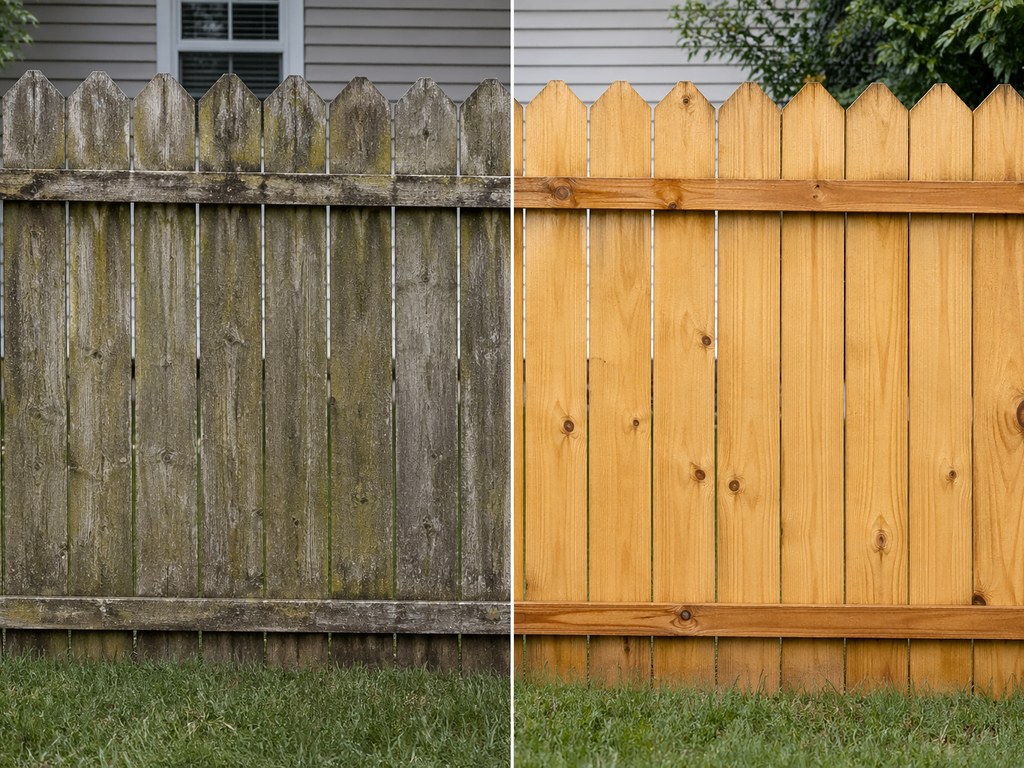
Keeping your vinyl or wood fence clean in Broward County is crucial for its longevity and curb appeal. High humidity and salt air can lead to stubborn mold and mildew, requiring specific cleaning methods for each material to prevent damage. This guide covers safe DIY techniques and when to call the professionals at Coastal Surface Experts.
Why Your Broward Fence Needs Regular Cleaning
Your fence isn't just a boundary; it's a significant part of your property's appearance and security. Here in Broward County, especially in places like Pompano Beach, Fort Lauderdale, or Hollywood, our unique South Florida climate throws a lot at our fences. We're talking high humidity, constant rain, relentless sun, and that ever-present salt air from the coast. These aren't just minor annoyances; they're prime conditions for algae, mildew, and mold to absolutely thrive. You'll often see green, black, or even pinkish growth on fences that haven't been cleaned in a while.
Beyond just looking unsightly, this organic growth can actually damage your fence over time. On wood fences, mildew and mold can penetrate the porous surface, leading to rot and premature deterioration. For vinyl, while it's more resistant, these growths can stain the material permanently if left unchecked, eating away at the protective layers and making it brittle. Plus, a dirty fence significantly detracts from your home's curb appeal, impacting your property value. Think about it, if you're trying to sell your home, a grimy fence is one of the first things a potential buyer will notice. Regular cleaning isn't just about aesthetics; it's about protecting your investment and ensuring your fence lasts as long as it should.
Understanding the Different Fence Materials and Their Needs

When you're tackling fence cleaning, you can't use a one-size-fits-all approach. Vinyl and wood fences have very different characteristics, and what works wonders for one could seriously damage the other. That's why it's so important to know your material before you start spraying anything.
Vinyl Fences: Durable but Delicate Vinyl is fantastic for South Florida because it's largely impervious to rot and insects. It's low maintenance in many ways, but it still gets dirty. Algae, mildew, and grime from sprinklers or general environmental dust love to cling to its smooth surface. While tough, vinyl can be scratched or warped by overly aggressive cleaning. High pressure from a pressure washer can blast off the smooth outer layer, leaving it dull and more susceptible to future staining. It can even cause the panels to separate or crack. The key here is gentle but effective cleaning.
Wood Fences: Porous and Prone to Damage Wood, on the other hand, is much more porous. It absorbs moisture, which makes it a perfect breeding ground for mold, mildew, and even wood-boring insects. These aren't just surface problems; they can really dig into the wood fibers. The challenge with wood is that it's very easy to damage with high-pressure washing. You can splinter the wood, leave unsightly "tiger stripes," or even erode the wood's surface, accelerating its decay. Plus, too much moisture can lead to warping or cracking as it dries. We always recommend a fence cleaning approach that respects the wood's integrity, ensuring it looks great and lasts longer.
DIY Cleaning a Vinyl Fence Safely
If you're looking to clean your vinyl fence yourself, you'll want to stick to a soft wash approach. This method is incredibly effective for removing organic growth without damaging the material. You'll need a good quality cleaner, a garden hose, and a soft-bristled brush, or if you're feeling adventurous, a pressure washer with the right nozzle and technique.
First, gather your supplies: a bucket, some protective gloves, safety glasses, a garden hose, a soft brush, and a vinyl-safe cleaning solution. You can often make a good DIY solution with a mix of water and white vinegar, or a very diluted bleach solution (about one part bleach to four parts water) for tougher stains. Always test any cleaning solution on an inconspicuous spot first to make sure it doesn't discolor your fence.
Start by rinsing the fence thoroughly with your garden hose to remove loose dirt and debris. Then, apply your cleaning solution with a sprayer or sponge, working in manageable sections. Let the solution sit for 10-15 minutes, allowing it to break down the grime and mildew. Don't let it dry completely. Use your soft-bristled brush to gently scrub away any stubborn spots. Finally, rinse the section completely with your garden hose, making sure no cleaning solution is left behind. Repeat this process around your entire fence.
If you're using a pressure washer, it's crucial to use a low-pressure nozzle, like a 40-degree white tip, or even better, a soaping nozzle. Keep the wand at least 12-18 inches away from the fence surface and use broad, sweeping motions. Never aim directly at seams or close to the fence. The goal isn't to blast the dirt off with force, but to use the detergent and gentle rinsing to do the work. If you're unsure, it's always best to err on the side of caution. For more expert tips, you might find our guide on how to achieve streak-free windows every time in Broward County useful, as some principles of gentle cleaning apply.
DIY Cleaning a Wood Fence Without Causing Damage
Cleaning a wood fence requires even more care than vinyl due to its porous nature. High-pressure washing is often a big no-no unless you're a seasoned professional. You risk splintering the wood, stripping the finish, or leaving permanent gouges. For most homeowners, a gentle cleaning method is the safest bet.
Begin by clearing any vegetation or debris from around the fence line. Then, wet the entire fence thoroughly with a garden hose. This helps prevent your cleaning solution from soaking in too deeply and causing streaking. Prepare a wood-safe cleaning solution. You can use an oxygen bleach product designed for wood decks and fences, which is effective against mold and mildew without damaging the wood fibers as chlorine bleach can. Always follow the manufacturer's instructions for dilution.
Apply the solution with a garden sprayer, working from the bottom up to prevent streaking. Let it dwell for the recommended time, typically 10-20 minutes, but don't let it dry. Use a soft scrub brush or a long-handled deck brush to gently scrub the surface, moving with the grain of the wood. This helps dislodge stubborn grime and mildew. Finally, rinse the fence thoroughly with a garden hose, again working from bottom to top, making sure to remove all traces of the cleaning solution. Allow the fence to dry completely before considering any staining or sealing.
If you're dealing with extensive mold or mildew that penetrates deep into the wood, or if you're uncomfortable using cleaning solutions, it might be time to consider professional help. After all, you wouldn't want to damage your fence trying to clean it. If you'd rather skip the hassle and potential risks, book a free quote with us, and we'll handle it expertly. We've got years of experience keeping Broward homes looking their best.
When to Call the Professionals for Fence Cleaning
While DIY cleaning can work for minor upkeep, there are definitely times when calling in the experts is the smartest move. Here in South Florida, the mold and mildew can get aggressive, especially after a particularly humid summer or a rainy season. If your fence has deep-seated stains, extensive organic growth, or if you're dealing with delicate materials like older wood or specialty vinyl, professional fence cleaning becomes essential.
Coastal Surface Experts specializes in soft wash techniques, which are perfect for both vinyl and wood fences. We use eco-friendly, biodegradable cleaning solutions that effectively kill mold, mildew, and algae at the root without harming your landscaping, pets, or family. Our team is trained to identify the specific needs of your fence material and adjust pressure settings accordingly – often using very low pressure, similar to a garden hose, combined with powerful cleansers. This ensures a deep, thorough clean without any risk of damage.
Another key benefit of professional service is our equipment. We use commercial-grade pressure washing units with adjustable settings and a variety of specialized nozzles that aren't available to the average homeowner. This allows for precise control and superior results. We also understand the local environment – the constant humidity, salt spray, and even the occasional hurricane season aftermath – and how these factors impact your fence's cleanliness and longevity. Choosing a professional means you're investing in the health and appearance of your fence for years to come. Check out our main residential services page to see all the ways we can help you maintain your Broward County home.
Common Mistakes to Avoid When Cleaning Your Fence
Even with the best intentions, it's easy to make mistakes when cleaning your fence, especially when you're dealing with the unique challenges of Broward County's climate. Knowing what *not* to do is just as important as knowing what to do.
* Using Too High Pressure on a Pressure Washer: This is probably the most common and damaging mistake. As we mentioned, high pressure can splinter wood, strip paint or stain, etch vinyl, and even permanently damage the surface. Always start with the lowest effective pressure and increase slowly if needed, keeping a good distance from the surface. * Ignoring the Type of Cleaning Solution: Not all cleaners are created equal. Chlorine bleach can be harsh on wood, potentially discoloring it or damaging its fibers. Strong degreasers might strip sealants or finishes. Always use solutions specifically formulated for your fence material, and always dilute them properly. Don't forget to protect nearby plants and landscaping by pre-wetting them and rinsing thoroughly after. * Letting Cleaning Solutions Dry on the Fence: If a cleaning solution dries on your fence, it can leave unsightly streaks or even permanent stains. Work in small sections and rinse each section thoroughly before moving on to the next. The hot South Florida sun can make solutions dry much faster than you expect. * Forgetting Protective Gear: Cleaning chemicals, even diluted ones, can be irritants. Always wear gloves, eye protection, and appropriate clothing to protect your skin and eyes. * Not Rinsing Thoroughly Enough: Leftover cleaning agents can continue to work on your fence material or attract new dirt. A thorough rinse is critical to wash away all contaminants and cleaning residues. This is especially true for wood, where residues can lead to premature graying or decay. * Neglecting the "Before and After" Check: Always inspect your fence after cleaning. Are there any spots you missed? Did the solution work as expected? This helps you learn and adjust for next time. If you see any signs of damage, stop immediately. Call us at +1 754-253-5827 for a same-day estimate if you're unsure or encounter problems.
Maintaining Your Clean Fence in the South Florida Climate
Once your fence is sparkling clean, you'll want to keep it that way for as long as possible. The South Florida climate, with its intense sun and high humidity, means that maintenance is an ongoing process, not a one-time fix. Here are some tips to help you maintain your clean fence.
For wood fences, consider applying a good quality stain or sealant after cleaning and once the wood is completely dry. This provides a protective barrier against moisture, UV rays, and organic growth. Reapply every few years as recommended by the product manufacturer. For vinyl fences, while they don't need sealing, a quick rinse with a garden hose every few months can help prevent dirt and mildew from building up.
Keep an eye on any vegetation growing too close to your fence. Vines, shrubs, and trees can hold moisture against the fence surface, creating a perfect environment for mildew. Trim back any encroaching plants to allow for better airflow and sunlight, which naturally inhibits growth. Regularly inspect your fence for any signs of new growth or damage. Catching issues early can prevent them from becoming major problems.
Regarding frequency, for most Broward County homeowners, we generally recommend a professional fence cleaning every 12 to 18 months. However, if your property is heavily shaded, prone to excessive moisture, or near a lot of landscaping, you might need it more often. On the other hand, a fence in full sun with good drainage might go a bit longer. Just like with maintaining your gutters, where knowing how often to clean gutters in Deerfield Beach, FL is key, understanding your specific environment helps determine the right cleaning schedule for your fence.
Professional Fence Cleaning Cost and Value
When you're considering professional fence cleaning, one of the first questions on your mind is often about cost. While we can't give you an exact quote without seeing your fence, we can tell you that professional fence cleaning services typically start at around $150 to $300 for smaller fences, and can go upwards from there depending on the fence's length, height, material, and the severity of the cleaning required. For example, a heavily stained, long wood fence will naturally cost more to clean than a short, lightly soiled vinyl fence.
However, it's not just about the upfront cost; it's about the value. A professionally cleaned fence isn't just aesthetically pleasing; it's also an investment in your property's longevity and curb appeal. Think about it this way: the cost of repairing or replacing a damaged fence due to neglect or improper cleaning can be thousands of dollars. Spending a few hundred dollars every year or two on professional cleaning is a small price to pay to extend your fence's life and avoid much larger expenses down the road.
Our service includes not just the cleaning itself, but also the peace of mind that comes with knowing trained experts are handling your property. We use the right solutions, the right pressure, and the right techniques for your specific fence material, ensuring no damage. Plus, you save yourself the time, effort, and risk of DIY cleaning. For many homeowners and property managers in Broward, from Miramar to Coral Springs, the value of a professional, hassle-free service far outweighs the cost. We're proud of our commitment to quality service and happy customers; you can learn more about why customers choose us on our website.
Wrapping up
Keeping your fence clean and well-maintained is a critical part of protecting your Broward County property's value and enhancing its appearance. Whether you have a vinyl or wood fence, understanding the right cleaning methods is key to preventing damage and extending its lifespan. While DIY can work for light cleaning, the unique challenges of our South Florida climate often call for professional expertise. Don't let unsightly mold and mildew diminish your home's curb appeal. For a sparkling clean fence that stands the test of time, reach out to Coastal Surface Experts. We're ready to help you maintain a beautiful and healthy exterior. Contact us today for your free, no-obligation quote!