Black Streaks on Roof Causes and Safe Removal in Davie
November 3, 2026
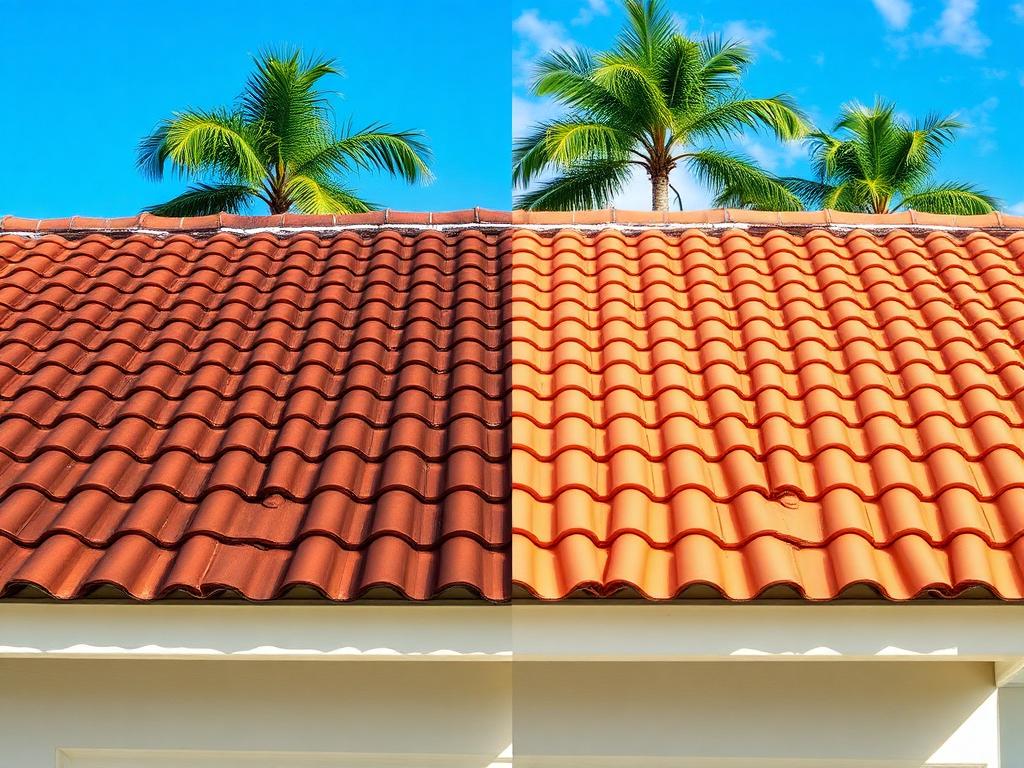
The dark, dripping lines on your roof aren't dirt or soot. They're a hardy cyanobacteria called Gloeocapsa magma that feeds on moisture and roofing minerals. In Davie, dense tree canopies and relentless humidity help this growth spread fast, but gentle soft washing destroys it at the root without damaging your tiles or shingles.
The Real Culprit Behind Those Dark Stains
If you step into your driveway and notice dark, vertical lines running down your roof, you're looking at a living organism. Most homeowners assume it's soot from traffic along I-595 or road grime from Griffin Road, but the real invader is an airborne cyanobacteria known as Gloeocapsa magma. This resilient organism travels on South Florida wind currents, settles on damp roof surfaces, and forms a dark, protective sheath to shield itself from scorching UV rays.
That dark outer shell gives the algae its black color. As rainwater washes over your roof, the organism spreads downward in dark tracks, creating the signature black streaks on roof surfaces that frustrate property owners across Broward County. Shingle manufacturers use crushed limestone as a cost-effective filler in modern asphalt shingles, and Gloeocapsa magma treats that limestone as a primary food source. Barrel and flat concrete tile roofs aren't immune either. Their porous surfaces trap moisture, organic matter, and airborne spores, creating an ideal nursery for cyanobacteria, green moss, and lichens to take hold.
Why Davie Roofs Catch Stains Faster Than Neighboring Cities
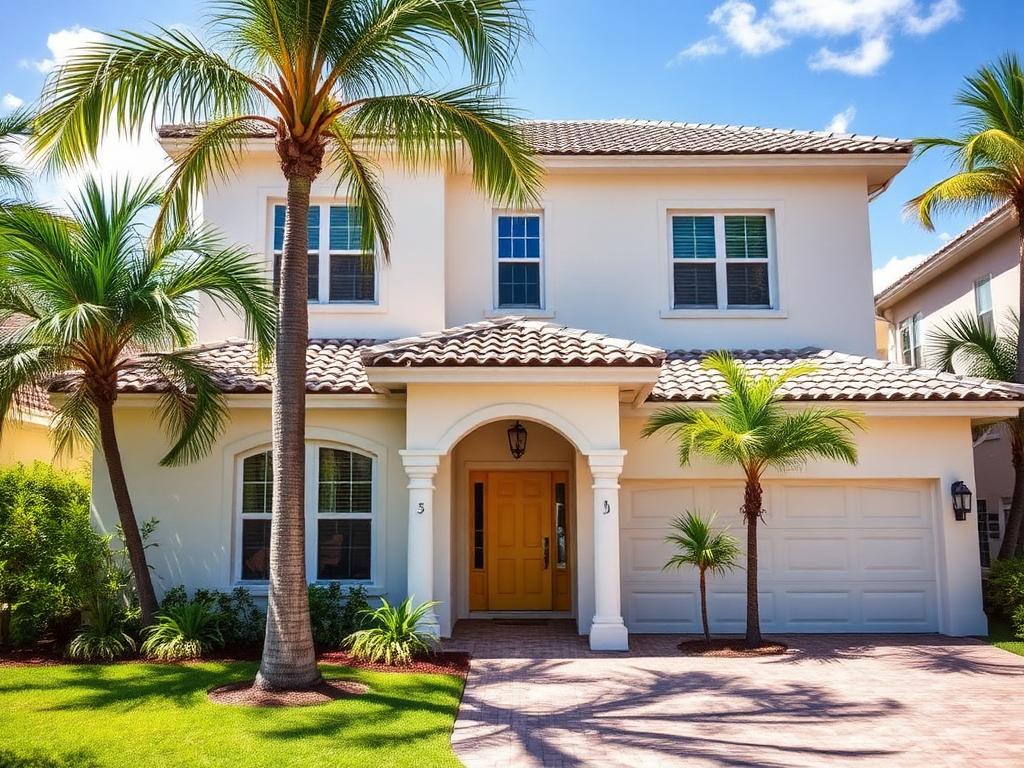
Davie has a distinct semi-rural charm, with sprawling acreage, equestrian trails, and majestic live oak canopies that you don't see in coastal cities like Fort Lauderdale or Hollywood. Neighborhoods like Forest Ridge, Long Lake Ranches, and the wooded pockets surrounding Robbins Preserve offer incredible natural shade. Unfortunately, that same lush canopy creates a microclimate that supercharges algae growth.
Our dense oak trees and pine stands block morning sunlight and trap canal moisture against residential roofs. When afternoon thunderstorms roll in from the Everglades between June and November, shaded roof slopes stay damp for hours. That extended dampness gives Gloeocapsa magma the exact environment it needs to multiply. On top of that, strict HOA guidelines across communities like Pine Island Ridge won't let exterior stains sit for long. Homeowners often receive violation notices when the dark discoloration becomes visible from the street, forcing them to find a solution quickly.
The Hidden Damage Black Streaks Cause to Your Home
Black stains do far more than drag down your curb appeal. A clean roof reflects solar radiation, keeping your attic temperature lower during our brutal summer months. When algae blankets your tiles or shingles in pitch-black pigment, your roof starts absorbing heat like a cast-iron skillet. Your air conditioning system has to run longer cycles to cool your interior, which directly drives up your monthly electric bills.
Beyond energy waste, the organism physically deteriorates your roof over time. As the algae feeds on shingle limestone, it loosens the protective ceramic granules that shield asphalt from ultraviolet radiation. Those granules wash out into your gutters, leaving the raw fiberglass substrate exposed to cracking and blistering. On concrete tile, moisture trapped by algae growth accelerates surface pitting and degrades the underlayment seals along the valleys. Checking our roof cleaning vs replacement guide for Broward County homes will show you just how much money preventative cleaning saves compared to tearing off an entire roof years ahead of schedule.
Why Pressure Washing Your Roof Is a Costly Mistake
When property owners decide to tackle roof stains, their first instinct is often renting a high-powered pressure washer from the hardware store. Blasting your roof with high water pressure is one of the quickest ways to ruin it. High pressure strips the ceramic granules right off asphalt shingles, voiding the manufacturer warranty in minutes. It also creates micro-fissures in clay and concrete tiles, snaps delicate tile corners, and forces pressurized water underneath overlapping edges into your waterproof underlayment.
Water forced beneath your roofing material soaks into plywood decking and attic insulation, creating interior mold problems that cost thousands to remediate. Even worse, blasting with pure water doesn't kill Gloeocapsa magma. High pressure only knocks off the top layer of dead spores, leaving the microscopic root systems buried deep inside the porous tile or shingle pores. Within six months, the black lines return thicker than before. Review our soft wash vs pressure wash guide for your Miramar home to see why low pressure is the gold standard for exterior sanitization across South Florida.
If you'd rather skip the ladder and safeguard your landscaping, book a free quote and we'll handle the job safely.
The Professional Soft Wash Method That Kills Algae
True stain removal requires sanitization, not brute force. Our professional roof cleaning process uses dedicated soft wash equipment that operates under 100 PSI, which is roughly the pressure of an ordinary garden hose nozzle. Instead of relying on water force to dislodge dirt, we apply a specialized chemical solution designed to neutralize organic organisms on contact.
We mix professional-grade sodium hypochlorite with specialized eco-friendly surfactants. The surfactant creates a rich, clinging foam that holds the sanitizing solution against steep roof inclines, allowing it to penetrate deep into shingle grit and tile textures. Within ten minutes, the active ingredients break down the cellular walls of Gloeocapsa magma, lichen, and mildew spores. The dark stains lighten and dissolve, leaving the roof pristine without any abrasive scrubbing or mechanical damage. Because the treatment kills the algae down to the root, the clean finish lasts three to four times longer than any pressure wash attempt.
DIY Roof Cleaning Versus Hiring an Experienced Crew
Taking on a roof cleaning project yourself in South Florida carries serious risks. First, wet barrel tiles and steep shingle pitches become as slick as ice the moment water and algae mix. Ladder falls remain one of the top causes of household emergency room visits nationwide. Second, the cleaning agents required to eliminate black streaks will scorch your lawn, clusia hedges, and prized palms if you don't dilute and manage overspray correctly.
A trained local crew takes exhaustive precautions to protect your home. We saturate all surrounding shrubs and sod with fresh water before, during, and after application, and we bag downspouts to catch runoff before it reaches your driveway pavers or garden beds. We bring specialized fall-protection gear, custom spray rigs, and balanced mixes calibrated for your specific roofing material. Call us at +1 754-253-5827 for a fast estimate on your home and avoid the hazards of climbing onto a slick roof yourself.
Common Mistakes Homeowners Make When Dealing with Roof Stains
Aside from blasting their roof with high pressure, homeowners frequently make a few other critical errors when treating algae stains. One common mistake is ignoring the problem until an HOA inspector leaves a certified violation letter at the front door. By the time thick black mats cover entire slopes, the cyanobacteria has already broken down surface granules and degraded flashing seals.
Another mistake is spraying store-bought weed killer, laundry bleach, or vinegar up from a garden pump sprayer. Over-the-counter bleach lacks professional clinging surfactants, so it runs right down into the gutters without dwelling long enough to kill the algae. Weak vinegar solutions do nothing against resilient cyanobacteria. Finally, some homeowners install thin copper or zinc strips along the ridge line and assume their roof will stay spotless. While metal ions can retard algae growth directly beneath the metal strip, they rarely produce enough coverage across a wide Davie roof slope to stop aggressive South Florida mold growth.
Expected Costs and Recommended Maintenance Schedules in Davie
Roof cleaning costs across Broward County depend on roof pitch, total square footage, accessibility, and the severity of organic growth. For an average single-story family home, professional soft wash treatments typically have prices starting at $250. Larger properties with steep two-story pitches, delicate Spanish clay tiles, or heavy moss build-up require additional labor and chemical volume, pushing investment levels higher.
In sunny, open neighborhoods, a thorough soft wash treatment keeps your roof bright for two to three years. However, if your property borders the equestrian corridors of Davie or sits under thick live oak shade near Pine Island Road, you'll likely need preventative treatment every 18 to 24 months. Regular maintenance keeps your property compliant with neighborhood association rules, prevents premature shingle decay, and protects your home appraisal value over time.
Wrapping up
Don't let dark algae streaks cook your attic, deteriorate your shingles, or trigger annoying HOA fines from your neighborhood committee. Safe, low-pressure soft washing kills cyanobacteria at the cellular level and restores your roof's original beauty in a single afternoon. If you're ready to brighten up your home and protect your biggest investment, reach out to Coastal Surface Experts today for a fast, free quote through our online contact form or call us directly.